German Prosecutors: Nord Stream Sabotage Suspect Acted on Ukraine's Orders
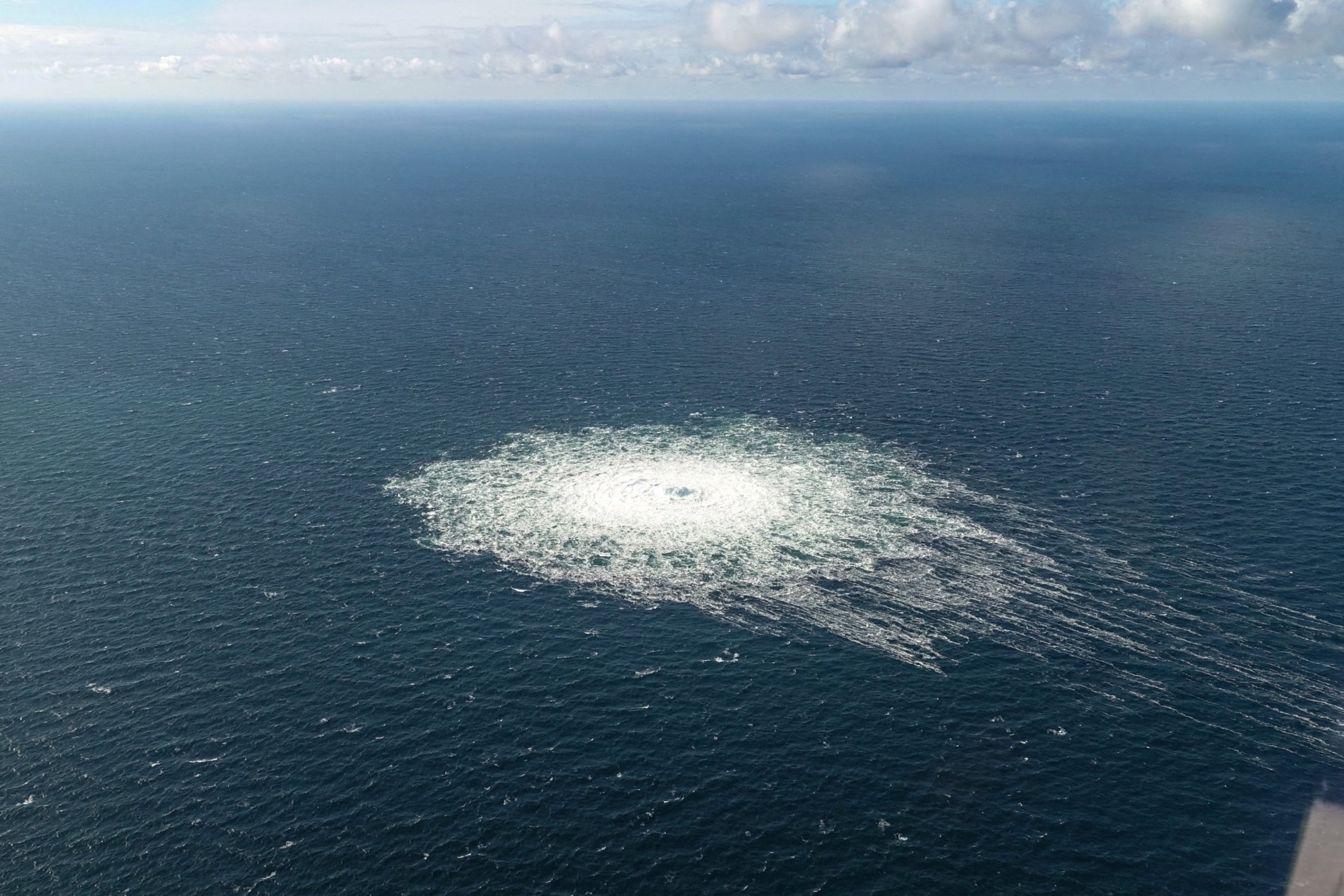
German prosecutors have stated that the individual accused of sabotaging the Nord Stream pipelines was acting under orders from Ukraine. The suspect, identified as Serhi K., is facing accusations of complicity in a war crime. This development sheds new light on the investigation into the explosions that damaged the undersea gas pipelines in September 2022. The Nord Stream pipelines, which transport natural gas from Russia to Germany, were severely damaged in coordinated attacks. The German Federal Public Prosecutor's Office (Generalbundesanwaltschaft) has been leading the investigation into the incident. The assertion that the suspect received instructions from Ukraine marks a significant escalation in the international implications of the sabotage. Further details regarding the nature of these alleged orders and the evidence supporting them have not yet been fully disclosed by the authorities.
The German prosecutor's assertion that the Nord Stream sabotage suspect acted on Ukrainian orders introduces a complex geopolitical dimension to the investigation. This claim, if substantiated, shifts the focus from potential state-sponsored actions by Russia to alleged Ukrainian involvement, potentially impacting international relations and ongoing energy security discussions. The legal framework of 'complicity in a war crime' suggests a deliberate act with significant consequences, raising questions about accountability and the broader implications for international law and the conduct of warfare. Evaluating this claim requires careful consideration of evidence and the potential for disinformation within a highly charged geopolitical environment. The long-term ramifications could influence future diplomatic strategies and the security of critical energy infrastructure.
AI-generated to prompt reflection — not editorial opinion, not advice, not a statement of fact. How this works.