German Rail Passengers Face Ongoing Disruptions Amidst Persistent Infrastructure Issues
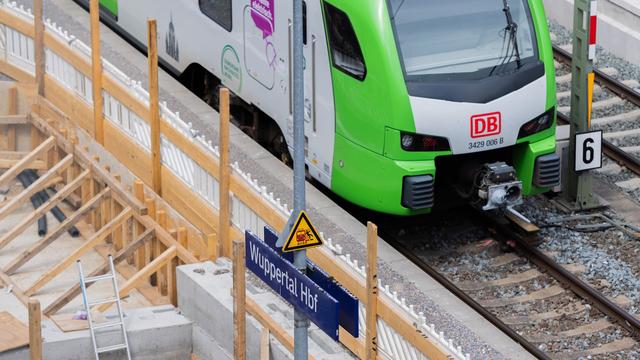
German rail travelers are advised to brace for continued patience as the country's railway infrastructure faces a cycle of closures and persistent problems. The headline "Bahnreisende brauchen Geduld: Nach der Sperrung ist vor der Sperrung: Problemfall Schiene" directly translates to "Train travelers need patience: After the closure is before the closure: Problem case rail," highlighting a recurring theme of disruptions. This suggests that the current issues are not isolated incidents but rather indicative of deeper, systemic challenges within the German rail network. Passengers have repeatedly encountered significant delays and cancellations due to various infrastructure-related reasons. The phrase "Problemfall Schiene" (Problem case rail) underscores the severity and ongoing nature of these difficulties. This situation is likely to impact commuter and long-distance travel, affecting millions of passengers daily. The repeated closures imply a need for substantial and sustained investment in maintenance and modernization to ensure reliable service. Without addressing the root causes of these "problem cases," passengers can expect further periods of inconvenience and uncertainty.
The recurring infrastructure closures on Germany's rail network indicate a potential mismatch between maintenance schedules, upgrade requirements, and operational demands. This cyclical disruption pattern suggests that short-term fixes may be insufficient, and a more comprehensive, long-term strategy for infrastructure renewal is likely necessary. Future-proofing the rail system in the context of increasing passenger and freight volumes, alongside the broader digital transformation, will require significant capital investment and strategic planning. Examining the governance and funding mechanisms for infrastructure projects could reveal opportunities to enhance efficiency and reduce the frequency of such passenger-impacting events.
AI-generated to prompt reflection — not editorial opinion, not advice, not a statement of fact. How this works.