German Regional Trains Face €400M Cost Hike, States Demand Federal Action
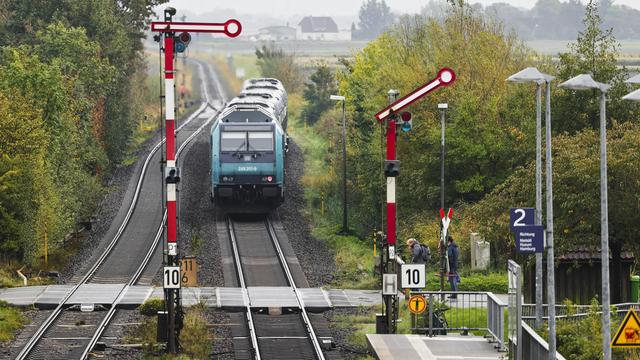
Regional train operators in Germany are facing additional costs of €400 million this year due to a ruling by the European Court of Justice (ECJ). This significant financial burden has prompted state transport ministers to call for intervention from the federal government. Saarland's Minister of Transport has specifically urged the federal government to step in and find a solution to the issue of track access charges. Without federal support, there is a serious risk of train cancellations across the country. The states are concerned that these increased costs will jeopardize the viability of regional rail services, potentially leading to a reduction in services or even complete shutdowns on certain routes. The current situation highlights a major challenge for public transportation funding and infrastructure management in Germany.
The ECJ ruling on track access charges presents a fiscal challenge for German regional rail operators, potentially impacting service continuity and affordability. The states' call for federal intervention underscores the complex interplay between EU regulations, national infrastructure funding, and regional transport provision. This situation may expose underlying tensions in how infrastructure costs are allocated and whether current funding models adequately account for evolving regulatory landscapes and operational demands. Looking ahead, the incident prompts consideration of how to ensure the financial sustainability of essential public services like regional rail amidst external economic and legal pressures, particularly in the context of broader decarbonization goals that rely heavily on public transport.
AI-generated to prompt reflection — not editorial opinion, not advice, not a statement of fact. How this works.
