German researcher and pilot killed in Campo Grande plane crash; flight plan questioned
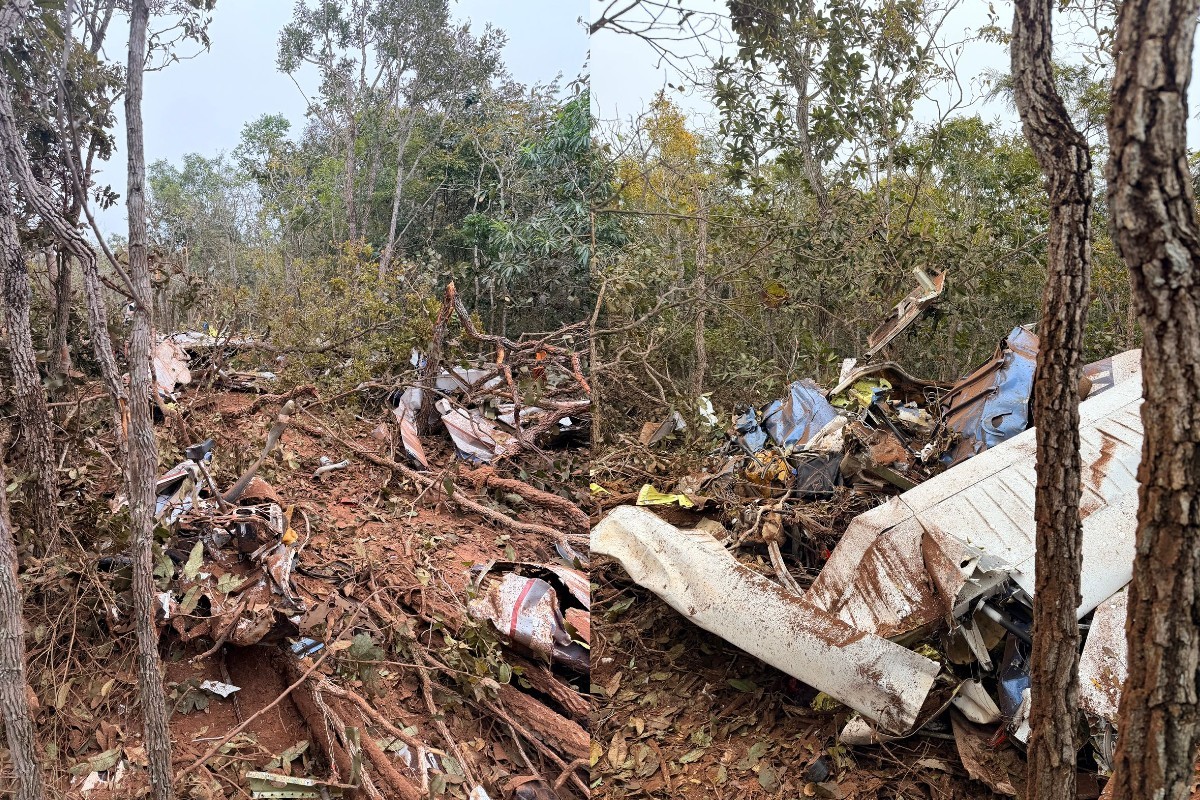
A German researcher, Lydia Theresia Möcklinghoff, 45, and pilot Henrique Martin de Carvalho, 42, died in a plane crash on July 3rd in Campo Grande, Mato Grosso do Sul. The aircraft lost control during its initial ascent and crashed shortly thereafter, according to a preliminary report from the Center for Investigation and Prevention of Aeronautical Accidents (Cenipa). The flight plan filed for the aircraft indicated Emerson Belaus, director of Amapil Táxi Aéreo, as the pilot in command, not Carvalho. The causes of the crash are under investigation by Cenipa and the Civil Police. Authorities are exploring possibilities including adverse weather conditions and low visibility, which may have prompted the pilot to attempt an emergency landing. The Civil Police have begun interviewing witnesses, but the case is under seal. The flight was en route from Campo Grande's Santa Maria Airport to a farm in the Pantanal. Reports indicate that other flights scheduled for the same period were postponed due to poor weather. The aircraft was intended to operate under Visual Flight Rules (VFR), which require favorable weather conditions. Carvalho was licensed as a pilot since 2019 and held a commercial pilot license issued in March 2021, though his instrument flight rating for airplanes (IFRA) was valid until March 2026. Amapil Táxi Aéreo is cooperating with the investigations but declined further comment out of respect for the families and the ongoing inquiry. The National Civil Aviation Agency (Anac) stated that flight plan data is confidential and that false information in such documents could lead to administrative responsibility, or even criminal charges if intentionally submitted to conceal an unlicensed pilot's involvement. Cenipa has not provided a timeline for the final accident report.
The investigation into this fatal aircraft accident highlights critical systemic issues in aviation safety protocols. The discrepancy between the filed flight plan and the actual pilot raises questions about operational integrity and regulatory oversight. While adverse weather is cited as a potential factor, the differing pilot information suggests potential procedural non-compliance or misrepresentation, which could have implications for insurance, liability, and future flight operations. The investigation's focus on potential intentional falsification of documents by Anac underscores the importance of accurate record-keeping in maintaining air traffic control efficiency and emergency response readiness. Future aviation systems may benefit from enhanced real-time verification mechanisms for pilot and aircraft status against flight plans to mitigate risks associated with human error and procedural deviations, particularly in VFR operations where pilot judgment is paramount.
AI-generated to prompt reflection — not editorial opinion, not advice, not a statement of fact. How this works.