German Researcher Killed in MS Plane Crash; Body Awaiting Repatriation
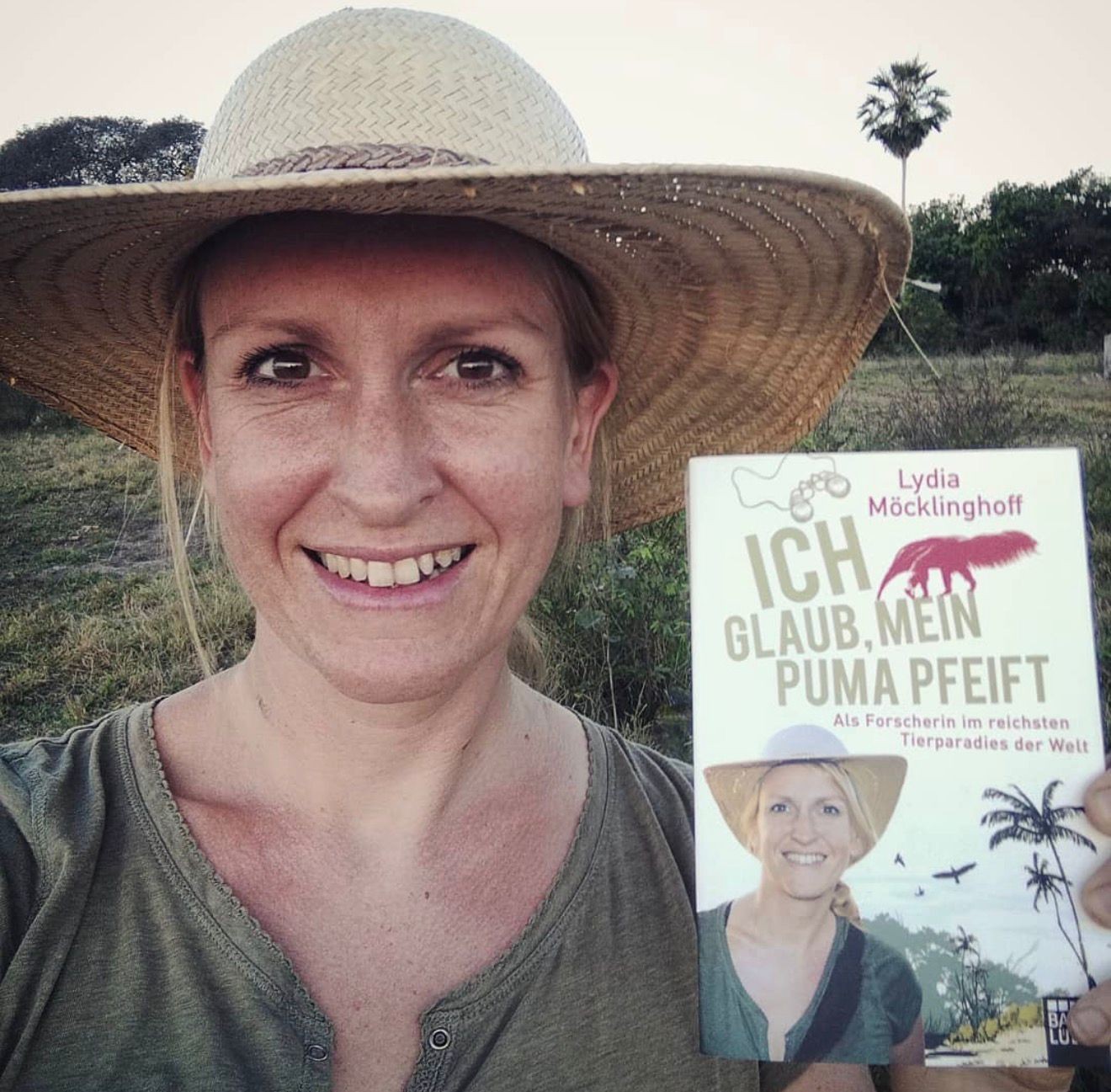
German researcher Lydia Theresia Möcklinghoff, an expert on giant anteaters, died in a plane crash on Friday, May 3rd, in Mato Grosso do Sul (MS), Brazil. Her body remains at the Institute of Legal Medicine and Dentistry (Imol) in Campo Grande while the German consulate coordinates with her family for repatriation. The consulate has stated it cannot release details about German citizens for security reasons. The pilot, 41-year-old Henrique Martin, was buried over the weekend. Investigations into the crash are ongoing, with technicians from the Center for Investigation and Prevention of Aeronautical Accidents (Cenipa) and civil police experts examining aircraft parts recovered from the crash site near Campo Grande's Santa Maria Airport. Personal items, including a tablet and books belonging to Möcklinghoff, were also collected. The twin-engine aircraft was en route to the Pantanal when it crashed shortly after takeoff. Investigators are considering poor weather conditions, specifically fog reducing visibility, as a potential factor, suggesting the pilot may have attempted an emergency landing. Möcklinghoff was internationally recognized for her long-term studies of giant anteaters in the Pantanal, having conducted fieldwork there since the late 2000s. Her book, "Ich glaub, mein Puma pfeift: Als Forscherin im reichsten Tierparadies der Welt" (roughly translated as "I Can't Believe My Eyes: A Researcher's Life in the World's Richest Animal Paradise"), details her experiences studying the species in Brazil. The aircraft's engines and propellers have been sealed and sent for analysis.
The tragic loss of life in this aviation incident underscores the inherent risks associated with scientific fieldwork in remote or challenging environments. While weather conditions are cited as a potential factor, a thorough investigation by aviation authorities will be crucial to determine the precise sequence of events and identify any contributing mechanical or procedural issues. The incident highlights the importance of robust safety protocols and risk assessments for all aerial operations, particularly those supporting scientific research. Moving forward, the focus should be on leveraging such investigations to enhance aviation safety standards and protect researchers undertaking vital work in diverse ecosystems, ensuring their contributions are not cut short by preventable accidents.
AI-generated to prompt reflection — not editorial opinion, not advice, not a statement of fact. How this works.