German Rivers Hit New Lows Amid Ongoing Drought
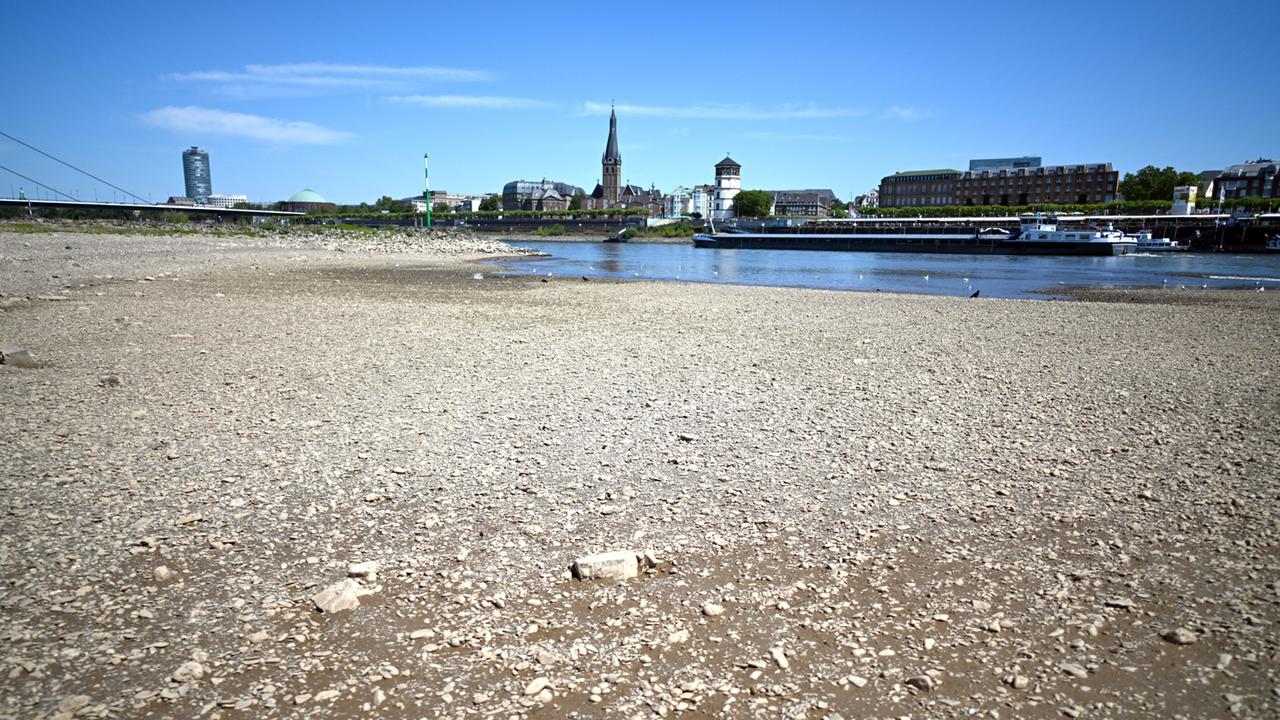
Water levels in German rivers are continuing to fall, reaching new record lows in some areas due to persistent low water conditions. The situation is expected to worsen, with potential long-term implications for water management and various industries. While a decrease in water flow might seem counterintuitive, it could eventually offer some relief to the strained river systems. However, this prolonged period of low water levels poses significant challenges, particularly for the agricultural sector. Farmers are already facing difficulties, and further reductions in water availability could severely impact crop yields and irrigation practices. The ongoing drought conditions are straining resources and highlighting the vulnerability of Germany's water infrastructure to climate change.
The persistent decline in German river levels underscores the intensifying impact of climate change on water resources. This situation presents a critical challenge to national infrastructure, particularly for sectors like agriculture that rely heavily on consistent water availability. The long-term prospect of reduced water flow, while potentially easing immediate strain on riverbeds, signals a fundamental shift in hydrological patterns. This necessitates a strategic re-evaluation of water management policies, focusing on resilience, conservation, and adaptive strategies to mitigate future risks. The event highlights the interconnectedness of environmental stability and economic activity, prompting a need for proactive planning to ensure sustainable resource utilization in the face of evolving climate realities.
AI-generated to prompt reflection — not editorial opinion, not advice, not a statement of fact. How this works.
