German Road Transport Still Heavily Reliant on Fossil Fuels in 2024
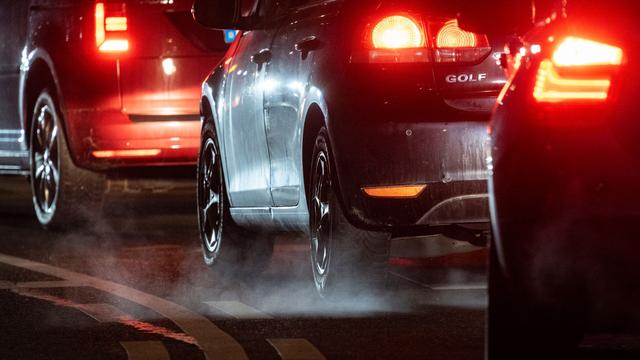
An analysis for 2024 reveals that road transport in Germany continues to be significantly dependent on fossil fuels. Despite ongoing discussions and efforts towards sustainability, the sector has not yet transitioned away from its reliance on gasoline and diesel. This persistent dependence highlights the challenges in decarbonizing the transportation industry, which is a major contributor to greenhouse gas emissions. The findings suggest that current strategies may not be sufficient to meet ambitious climate goals within the sector. Further investigation is needed to understand the specific barriers preventing a faster shift to alternative energy sources. These barriers could include infrastructure limitations, cost factors for consumers and businesses, and the availability of viable electric or hydrogen-powered alternatives for all vehicle types. The analysis underscores the urgent need for accelerated policy interventions and technological advancements to drive the necessary change.
The 2024 assessment of Germany's road transport sector indicates a continued strong reliance on fossil fuels. This situation presents a systemic challenge in achieving climate targets, as the transportation sector is a significant source of carbon emissions. The persistence of this dependency suggests that market incentives, regulatory frameworks, and technological diffusion may not be adequately aligned to accelerate the transition to low-carbon alternatives. Future policy interventions could focus on enhancing charging infrastructure, subsidizing electric vehicle adoption, and promoting alternative fuels. Examining the economic viability and consumer acceptance of these alternatives will be crucial for a successful and equitable energy transition in the transport sector over the next decade.
AI-generated to prompt reflection — not editorial opinion, not advice, not a statement of fact. How this works.