German Schools Adapt to Surge in Migrant Children Amidst Debate on Intake Limits
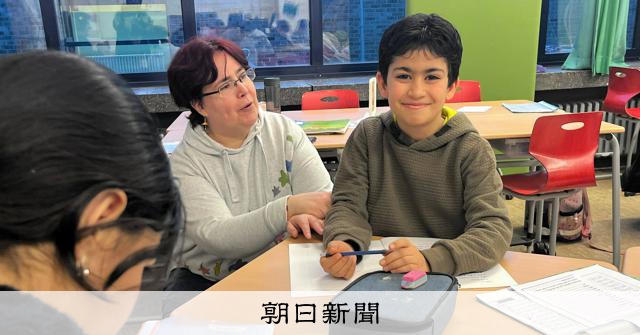
German educational institutions are facing a significant increase in the number of children of immigrants, prompting educators to develop innovative teaching methods and support systems. This surge in student numbers is occurring against a backdrop of ongoing political discussions regarding the country's capacity to accept new migrants. Teachers and administrators are working diligently to integrate these new students into the existing school system, often requiring additional resources and specialized training. The situation highlights the challenges and complexities of managing large-scale immigration within a national education framework.
While schools are striving to provide a welcoming and effective learning environment, the rising numbers have also fueled debates among policymakers and the public about potential limits on immigration. These discussions often revolve around the strain on public services, including education, and the long-term social and economic implications. The German education system is thus navigating a dual challenge: adapting to immediate needs while also engaging in broader societal conversations about future immigration policies. The commitment to education remains paramount, but the scale of the challenge necessitates careful planning and resource allocation.
The influx of migrant children presents a complex challenge for Germany's educational infrastructure, necessitating adaptive strategies from educators. This situation underscores the tension between humanitarian commitments and the practical constraints of public service capacity. The debate over intake limits reflects a common societal dilemma: balancing the benefits of diversity and a growing population against the costs of integration and resource allocation. Looking ahead, the long-term success of such integration will depend on sustained investment in educational resources, teacher training, and community support systems. Failure to adequately address these needs could lead to educational disparities and social fragmentation, impacting Germany's future demographic and economic landscape.
AI-generated to prompt reflection — not editorial opinion, not advice, not a statement of fact. How this works.