German SPD Calls for Price Cap on Gasoline and Diesel Amid High Fuel Costs
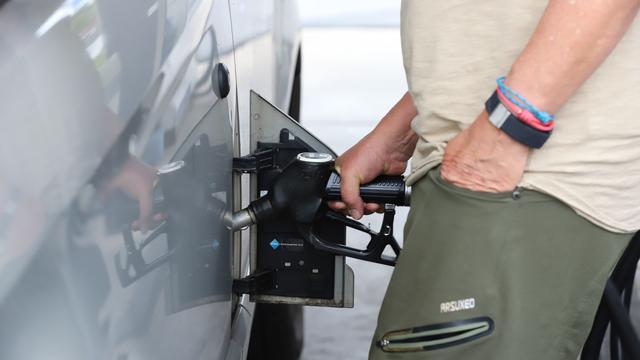
High fuel prices in Germany have prompted calls from within the Social Democratic Party (SPD) for the implementation of a price cap on gasoline and diesel. This proposal aims to alleviate the financial burden on consumers and businesses struggling with the current elevated costs at the pump. The SPD's suggestion indicates a growing concern over the economic impact of sustained high energy prices. While specific details of the proposed price cap mechanism are not yet elaborated, the call itself signals a potential shift in government policy discussions regarding energy cost management. The party is seeking measures to stabilize fuel prices, which are a significant factor in inflation and household budgets across the country. Further discussions are expected to clarify the feasibility and scope of such a price intervention.
The call for a price cap on fuel by a major political party in Germany reflects a common governmental response to inflation driven by energy costs. Such measures, while intended to provide immediate relief to consumers, can create market distortions. Price caps can disincentivize fuel production and imports if the capped price falls below operational costs, potentially leading to shortages. Alternatively, if the cap is set too high, it may not offer significant relief. The long-term effectiveness of price controls is often debated, with economists pointing to potential unintended consequences like black markets or reduced investment in supply. The German government will need to weigh the short-term political benefits of consumer relief against the potential for supply disruptions and market inefficiencies in the medium to long term, especially considering the ongoing energy transition.
AI-generated to prompt reflection — not editorial opinion, not advice, not a statement of fact. How this works.