German SPD Candidate Suggests Discussing 3% Election Threshold
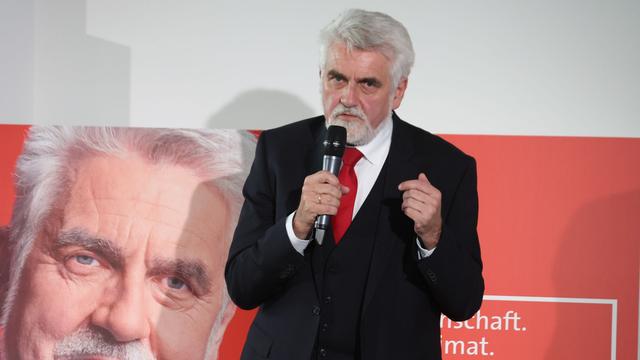
Lars Klingbeil, the top candidate for the Social Democratic Party of Germany (SPD), has proposed a discussion about potentially lowering the electoral threshold to three percent. Currently, parties need to secure at least five percent of the vote to gain seats in the Bundestag. Klingbeil's suggestion comes amid ongoing debates about electoral reform and the representation of smaller political forces within the German parliament. He believes that a lower threshold could lead to a more diverse range of voices being heard and potentially increase political engagement among citizens. The SPD leader's comments indicate a willingness to re-examine established electoral rules that have long shaped the German political landscape. This proposal is likely to spark considerable debate among political parties and the public, as it touches upon fundamental aspects of Germany's representative democracy. The current five-percent hurdle has historically influenced party strategies and the formation of coalitions. A shift to a three-percent threshold could alter the dynamics of parliamentary representation and the overall political discourse in Germany.
The proposal to lower the electoral threshold in Germany from five to three percent, put forth by an SPD leader, invites consideration of how electoral systems shape political representation and party dynamics. A lower threshold could ostensibly increase the diversity of parliamentary voices, potentially reflecting a broader spectrum of public opinion. However, it also raises questions about parliamentary efficiency and the potential for fragmentation, which could complicate coalition building and governance. Examining this proposal through the lens of future governance challenges, particularly in an era of evolving political alignments and the need for stable policy-making, is crucial. The debate highlights the inherent tension between maximizing representation and ensuring effective, coherent governance, a dynamic that will continue to be relevant in democratic systems globally.
AI-generated to prompt reflection — not editorial opinion, not advice, not a statement of fact. How this works.