German State Minister Admits Mistakes in Energy Transition
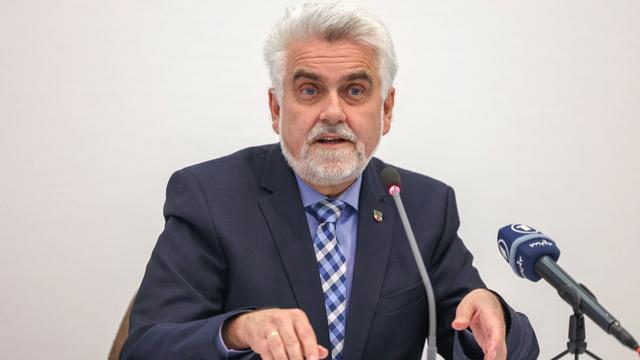
The Minister for Economic Affairs, Science and Digitalization of the German state of Rhineland-Palatinate, Dr. Volker Wissing, has acknowledged that mistakes were made during the implementation of the energy transition. Wissing stated that the federal government's decisions, particularly regarding the phasing out of nuclear energy, have led to significant challenges. He emphasized that the current energy policy needs to be re-evaluated to ensure energy security and affordability for citizens and businesses. The minister pointed out that the rapid transition away from reliable energy sources without sufficient alternatives has created vulnerabilities in the energy supply. He also highlighted the need for greater flexibility in energy policy, allowing for adjustments based on evolving circumstances and technological advancements. Wissing's remarks come amid ongoing debates about Germany's energy future and the impact of its climate policies on the economy. He stressed that learning from past errors is crucial for successfully navigating the complex path towards a sustainable energy system.
The admission of errors in the energy transition by Minister Wissing highlights a critical juncture in Germany's decarbonization strategy. The tension between ambitious climate goals and the practical realities of energy security and economic stability is evident. The policy's reliance on specific timelines for phasing out established energy sources, such as nuclear power, without fully developed and scalable alternatives, has created systemic risks. Future policy adjustments will need to balance ideological commitments with pragmatic considerations, potentially incorporating a more diversified energy portfolio and greater technological neutrality. This situation underscores the inherent challenges of large-scale systemic transformations, where the interplay of political will, technological readiness, and market forces requires continuous recalibration to avoid unintended consequences and ensure long-term viability.
AI-generated to prompt reflection — not editorial opinion, not advice, not a statement of fact. How this works.