German State Parliament Concludes NSU Investigation Committee
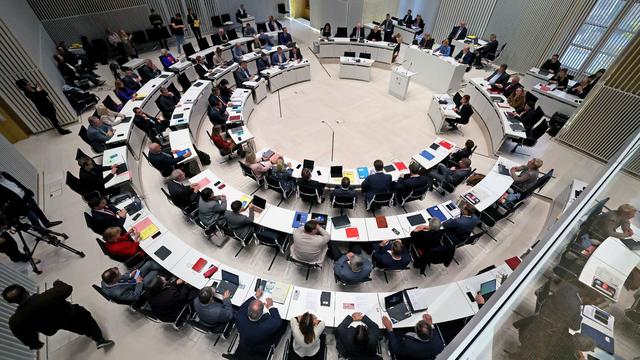
The state parliament of Thuringia has concluded its investigation committee into the National Socialist Underground (NSU) terrorist group. The committee's work focused on shedding light on the group's activities and the failures of security authorities. During its tenure, the committee heard testimony from numerous witnesses, including former intelligence service employees and victims' families. The final discussions in the state parliament are expected to address the committee's findings and recommendations. These are likely to include proposals for reforming intelligence services and improving the handling of right-wing extremism cases. The NSU was responsible for a series of murders, bombings, and robberies across Germany between 2000 and 2011. The group's existence and its crimes were only revealed in November 2011. The investigation into the NSU has been a complex and often controversial process, highlighting significant shortcomings in Germany's security apparatus and the fight against right-wing extremism. The committee's conclusion marks a significant step in the ongoing process of dealing with the legacy of the NSU.
The conclusion of the NSU investigation committee in the Thuringian state parliament represents a critical juncture in Germany's long-term engagement with right-wing extremism and state security failures. The committee's work, while aiming for transparency and accountability, operates within a complex political landscape where differing interpretations of evidence and institutional responsibilities can emerge. Future efforts to combat domestic terrorism and ensure effective oversight of intelligence agencies will depend on the actionable insights derived from this process. The challenge lies in translating parliamentary findings into robust policy reforms that address systemic weaknesses without compromising civil liberties or fostering undue suspicion. This process underscores the ongoing tension between national security imperatives and the democratic principles of accountability and public trust, particularly in the context of evolving extremist ideologies and methodologies.
AI-generated to prompt reflection — not editorial opinion, not advice, not a statement of fact. How this works.