German Transport Minister Resigns Amid Political Stalemate
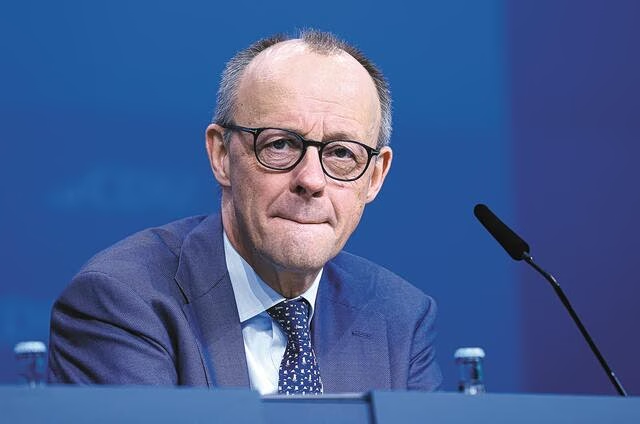
German Transport Minister Patrick Schnieder has requested his dismissal, citing a political deadlock and internal party opposition. The move comes amid significant internal party reactions and a broader political impasse. Schnieder's request signifies a deep-seated disagreement or untenable situation within the governing coalition or his party. The exact nature of the "political deadlock" and the "internal reactions" remains unspecified in the provided text. However, the situation suggests a crisis within the German government, potentially impacting its stability and legislative agenda. Schnieder's departure, if accepted, would necessitate the appointment of a successor, further complicating the current political landscape. The statement implies that Schnieder feels his position has become untenable due to these pressures. This development highlights the challenges faced by the current German administration in navigating internal party politics and external policy demands.
The resignation of a key minister often signals underlying governance challenges or strategic realignments within a political party or coalition. Such events can reflect differing policy priorities, leadership disputes, or the need to address public or internal dissatisfaction. In the context of German politics, ministerial changes can impact legislative momentum and international relations. Analyzing the incentives behind such a resignation, such as seeking to influence future party direction or distance oneself from current challenges, provides insight into political dynamics. The situation prompts consideration of how political systems manage internal dissent and leadership transitions to maintain stability and effective governance, especially in the face of evolving societal and economic pressures.
AI-generated to prompt reflection — not editorial opinion, not advice, not a statement of fact. How this works.