German Transport Minister Worries About Rail Services Outside Major Cities
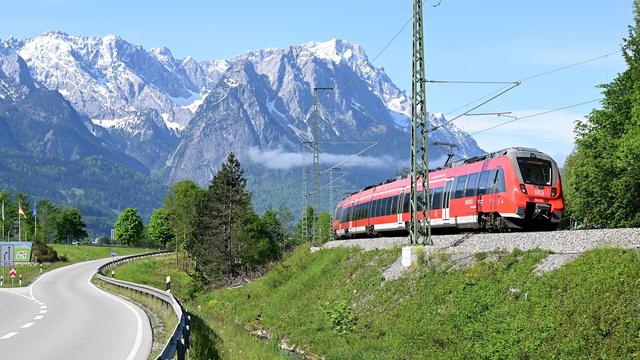
German Federal Minister for Digital and Transport, Volker Wissing, has expressed concerns regarding the future of long-distance rail services in Germany, particularly for routes connecting smaller towns and rural areas. He fears that increased competition in the long-distance rail market could lead to a reduction or even cessation of services on less profitable lines. Wissing highlighted that private rail companies, while potentially increasing competition on high-demand routes between major cities, might not find it economically viable to operate on lines with lower passenger numbers. This could result in a two-tiered system where only densely populated areas benefit from extensive rail connectivity. The minister's statement suggests a potential challenge in balancing the benefits of market liberalization with the need to ensure comprehensive public transport access across the entire country. He is reportedly seeking solutions to safeguard these vital regional connections.
The German transport minister's concerns highlight a common tension between market liberalization and equitable access to essential services. While introducing competition can drive efficiency and innovation on profitable routes, it may inadvertently lead to the neglect of less economically attractive areas. This situation prompts consideration of regulatory frameworks that incentivize or mandate service provision in underserved regions, ensuring that the benefits of a competitive market do not come at the cost of regional connectivity. Looking ahead, the integration of advanced network planning tools and potentially public-private partnerships could offer pathways to maintain and even enhance rail services beyond major urban centers, aligning with broader goals of sustainable mobility and regional development in the coming decade.
AI-generated to prompt reflection — not editorial opinion, not advice, not a statement of fact. How this works.