German Transport Sector Faces Shortage of Tens of Thousands of Bus and Train Drivers
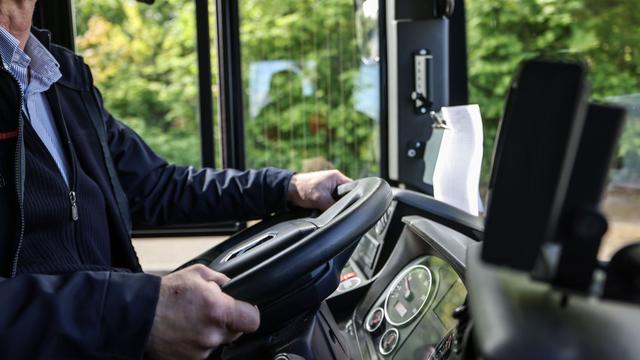
A new labor market study reveals a significant shortage of drivers within Germany's public transport sector. The industry is actively seeking tens of thousands of new bus and train operators to fill critical roles. This demand highlights a growing challenge in maintaining essential transportation services across the country. The study underscores the urgency for recruitment and training initiatives to address the deficit. Without sufficient personnel, the reliability and capacity of public transportation could be compromised. The findings suggest a need for strategic planning and investment in workforce development within the sector. The recruitment drive aims to ensure that public transport can continue to meet the mobility needs of the population. This shortage could impact urban planning and commuter patterns if not adequately resolved.
The identified shortage of bus and train drivers in Germany's transport sector points to systemic challenges in workforce planning and retention within public utilities. This situation may reflect broader demographic shifts, evolving labor market expectations, and potentially insufficient investment in training programs or competitive compensation structures. Addressing this deficit will require a multi-faceted approach, considering incentives for new entrants, improved working conditions, and potentially leveraging technological solutions for operational efficiency. The long-term sustainability of public transportation infrastructure hinges on its ability to attract and retain a skilled workforce, which in turn impacts urban mobility, economic activity, and environmental goals.
AI-generated to prompt reflection — not editorial opinion, not advice, not a statement of fact. How this works.