Germany aligns with France on China trade policy amid widening EU deficit
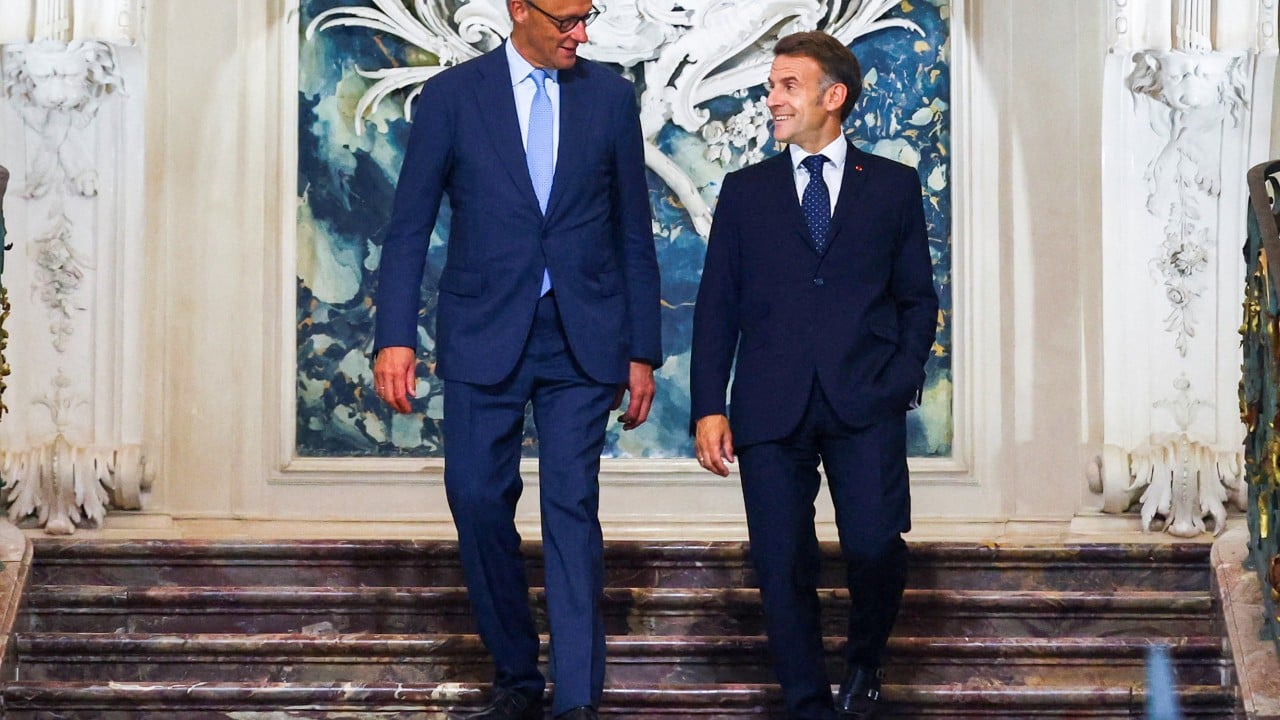
Germany is shifting its approach to China, moving closer to France's stance on trade policy as the European Union's trade deficit with Beijing continues to grow. This alignment was evident during the recent Franco-German Ministerial Council meeting, where both nations presented a united front.
A joint roadmap detailing their coordinated strategy is expected by September, a move initiated by Germany. This collaboration between Germany and France is deemed crucial by their leaders, particularly in the current geopolitical climate. They cited threats to European security from Russia and economic challenges posed by the People's Republic of China as key drivers for this closer cooperation. The leaders also acknowledged the importance of the transatlantic partnership in navigating these complex global dynamics.
The evolving Franco-German approach to China reflects a strategic recalibration driven by escalating economic imbalances and geopolitical tensions. As the EU's trade deficit with China widens, a unified European policy becomes increasingly critical for safeguarding economic interests and maintaining competitive parity. This shift suggests a move away from purely market-driven engagement towards a more assertive stance, balancing economic interdependence with national security and strategic autonomy. The emphasis on a joint roadmap indicates a desire to leverage collective bargaining power and present a more cohesive front in international trade negotiations, potentially influencing future global trade architectures and the dynamics of the EU-China relationship over the next decade.
AI-generated to prompt reflection — not editorial opinion, not advice, not a statement of fact. How this works.