Germany Alters Heating Regulations: Gas Boilers Allowed, Heat Pump Subsidies Reduced
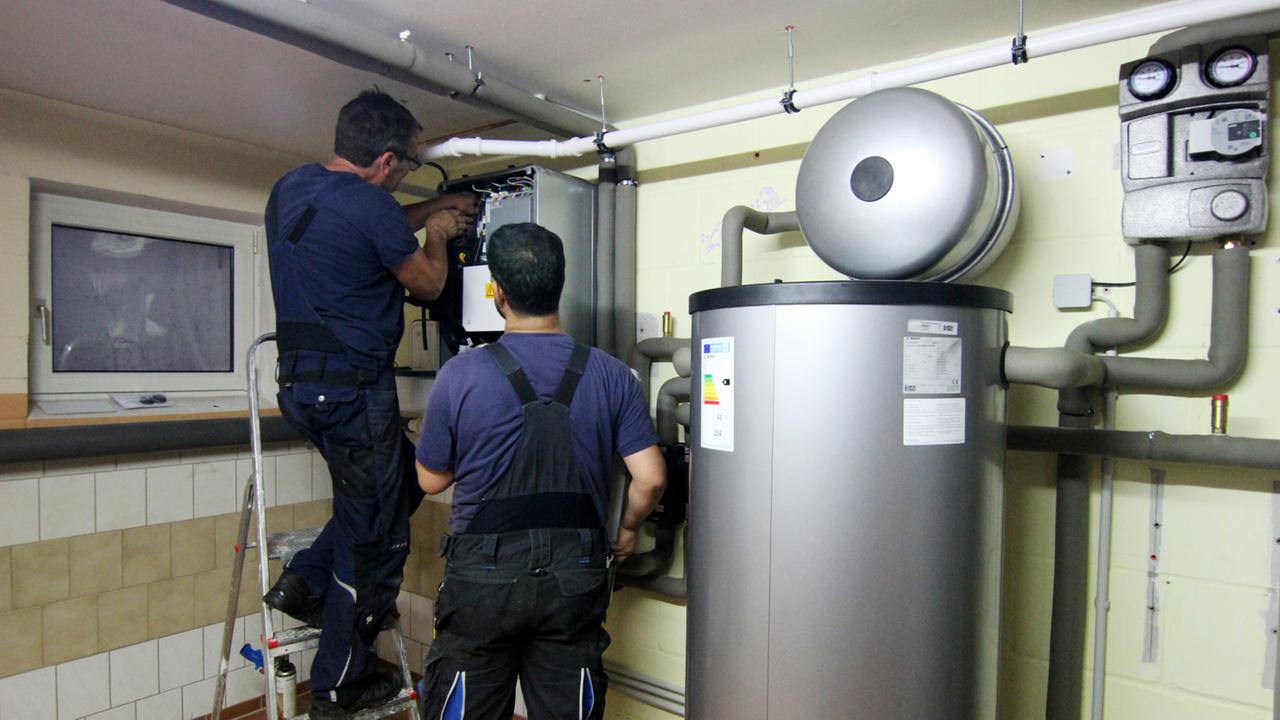
Germany is revising its regulations concerning heating systems, allowing the installation of natural gas heating systems in new buildings once again. However, experts are cautioning about the potential costs associated with these systems. Concurrently, the government is reducing state subsidies for individuals transitioning to heat pumps. This shift in policy aims to balance energy security with climate goals, though it may present new financial considerations for homeowners and builders. The updated rules are expected to impact the pace of the country's energy transition in the building sector. Further details on the specific financial incentives and restrictions are anticipated.
Germany's revised heating regulations reflect a pragmatic adjustment to energy policy, balancing climate objectives with immediate energy supply concerns. The reintroduction of natural gas heating in new constructions, despite expert cost warnings, suggests a response to potential supply chain vulnerabilities or affordability challenges in the renewable sector. Simultaneously, a reduction in heat pump subsidies could indicate a recalibration of fiscal priorities or a strategic effort to encourage market maturation. This policy mix may create a complex incentive structure for consumers, potentially slowing the adoption of fully renewable heating solutions in the short term while ensuring a baseline of heating capacity. The long-term impact will depend on the interplay between evolving technology costs, energy market stability, and future climate policy.
AI-generated to prompt reflection — not editorial opinion, not advice, not a statement of fact. How this works.