Germany and Denmark Extend Border Controls
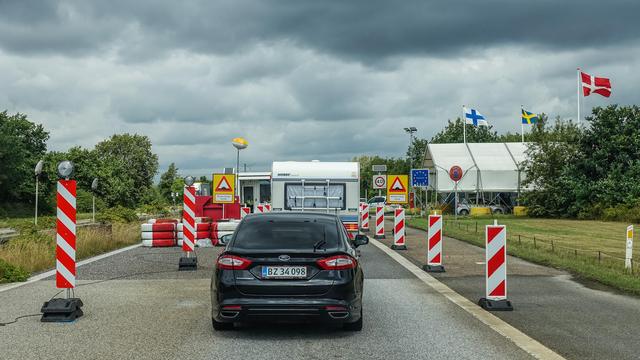
Germany and Denmark have announced their decision to continue maintaining border controls between the two countries. These checks have been in place since the beginning of 2024. Ministers from both nations confirmed that the measure will remain in effect. The specific reasons for the continuation of these controls were not detailed in the announcement. This decision impacts travel and movement between the two neighboring European Union member states. The ongoing nature of these controls suggests a continued assessment of security or migration-related factors by both governments. Further details regarding the duration or specific parameters of the extended controls are expected to be released.
The decision by Germany and Denmark to extend border controls reflects a complex interplay of national security concerns, migration management policies, and the broader European Union framework. While such measures can address immediate security or logistical challenges, their prolonged implementation may also signal underlying systemic issues in border governance and regional cooperation. The continuation of these controls, particularly within the Schengen Area, raises questions about the balance between national sovereignty and the principle of free movement. Future policy decisions will likely hinge on evolving geopolitical landscapes, internal political pressures, and the effectiveness of alternative, non-intrusive border management strategies. This situation highlights the ongoing tension between immediate control needs and the long-term vision of an integrated Europe.
AI-generated to prompt reflection — not editorial opinion, not advice, not a statement of fact. How this works.