Germany Approves Controversial Nuclear Project Involving Russian Firm Rosatom
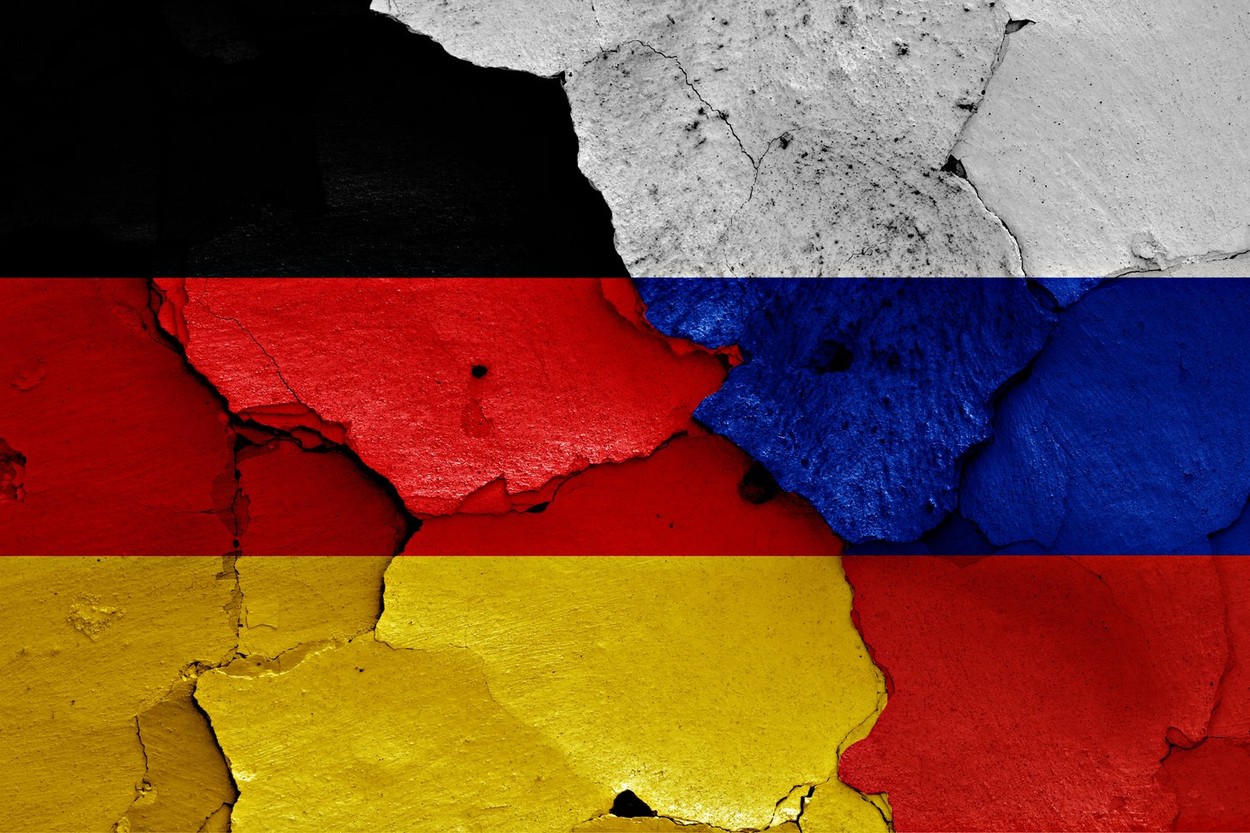
Germany has given the green light to a controversial nuclear project that will involve the Russian state-owned nuclear energy corporation, Rosatom. The project aims to produce nuclear fuel through a collaboration with the Russian giant. This decision has drawn significant criticism due to Russia's involvement, especially given the current geopolitical climate. However, German authorities have defended the approval, asserting that the project adheres to all legal requirements and safety standards. The collaboration is expected to proceed despite the public and political scrutiny it faces. The German government maintains that the decision was made based on legal compliance and technical considerations, separate from political factors. Further details on the specific nature of the fuel production and the extent of Rosatom's role are expected to be released as the project progresses.
The German government's approval of a nuclear fuel production project involving Rosatom presents a complex interplay between energy security needs and geopolitical considerations. While the authorities emphasize legal compliance, the decision highlights a potential tension between national interests and international relations, particularly concerning Russia. This situation prompts an examination of long-term energy strategies, the diversification of supply chains, and the inherent risks associated with relying on state-controlled entities from potentially adversarial nations. The project's progression will likely be closely monitored for its adherence to safety protocols and its broader implications for Germany's energy independence and foreign policy objectives in the coming decade.
AI-generated to prompt reflection — not editorial opinion, not advice, not a statement of fact. How this works.