Germany Approves New Energy Laws: Impact on Solar, Wind, and Expert Opinions
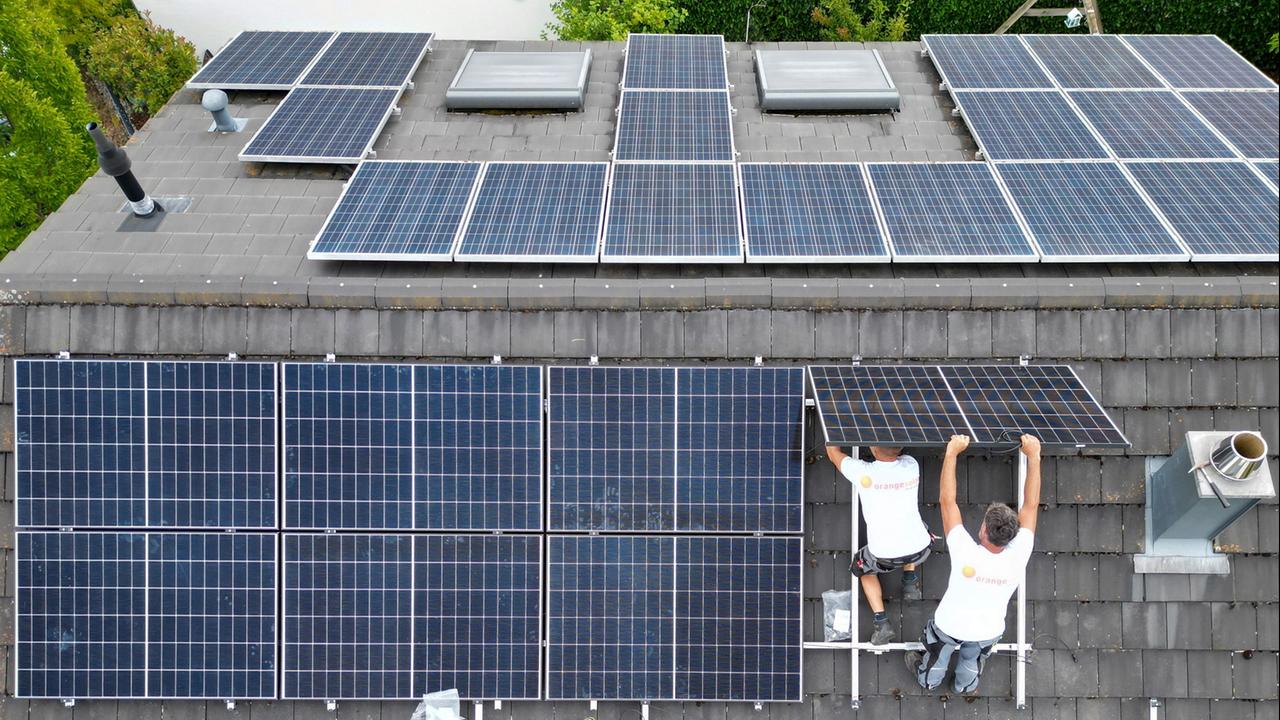
The German cabinet has reached an agreement on new energy laws, which are expected to have significant implications for households with solar installations and the expansion of wind energy. The specific details of these laws and their precise effects are currently under review. Experts are also evaluating the compromise that has been achieved. This development marks a crucial step in Germany's energy policy, aiming to balance renewable energy goals with the practical needs of consumers and industry. Further analysis will be required to fully understand the long-term consequences of these legislative changes. The government's decision reflects ongoing efforts to transition towards a more sustainable energy future. The impact on energy prices and grid stability is also a key area of consideration. This new legislation is anticipated to shape Germany's energy landscape for years to come.
The German cabinet's approval of new energy laws signifies a policy push towards renewable energy targets, likely influenced by broader European Union climate directives and national energy security concerns. The legislation's success will hinge on its ability to incentivize private investment in solar and wind infrastructure while mitigating potential cost burdens on households. Expert evaluation will be critical in assessing whether the compromise effectively balances these competing interests, potentially revealing trade-offs between rapid deployment and economic feasibility. Looking ahead, the long-term impact will depend on regulatory stability, technological advancements, and Germany's capacity to integrate intermittent renewable sources into its national grid, navigating the complex dynamics of energy transition in the coming decade.
AI-generated to prompt reflection — not editorial opinion, not advice, not a statement of fact. How this works.