Germany Approves Russian Nuclear Fuel Project, Angering European Partners
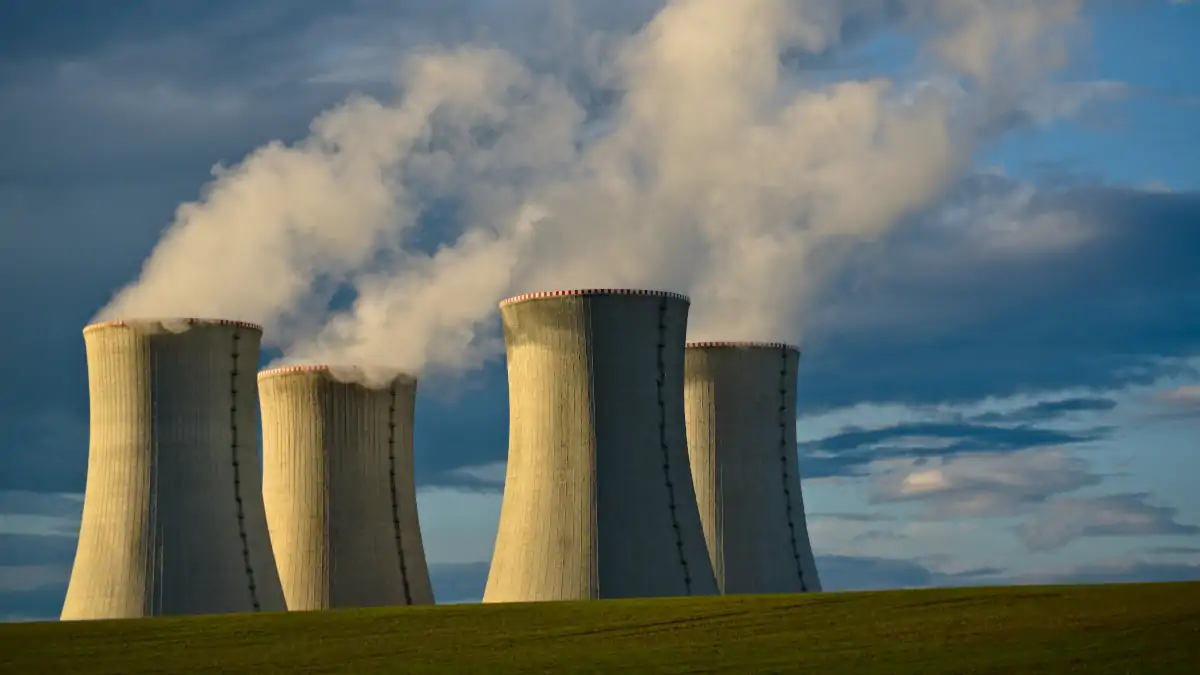
On July 22, 2026, authorities in Lower Saxony, Germany, granted approval for a nuclear fuel production project. The project is led by the French company ANF, a subsidiary of Framatome, and involves the Russian state-owned nuclear energy corporation, Rosatom. Regional authorities announced the decision, which has been reported by various media outlets. This collaboration has sparked significant concern and criticism among European partners, though the specific nature of these concerns has not yet been detailed. The approval marks a notable development in Germany's nuclear energy policy and its international partnerships within the sector.
The German government's decision to approve a nuclear fuel project involving a Russian state-owned entity, Rosatom, amidst ongoing geopolitical tensions, presents a complex interplay of energy security needs and international relations. This move may be viewed through the lens of pragmatic energy policy, potentially seeking to diversify or secure fuel supply chains. However, it also carries significant political implications, potentially creating friction with European Union member states who may prioritize energy independence from Russia. The long-term implications will depend on the evolving geopolitical landscape, EU solidarity, and Germany's strategic energy diversification efforts over the next decade. This situation highlights the persistent challenge of balancing national interests with collective European security objectives in the critical energy sector.
AI-generated to prompt reflection — not editorial opinion, not advice, not a statement of fact. How this works.