Germany Boosts Defense Spending Significantly in 2027 Budget
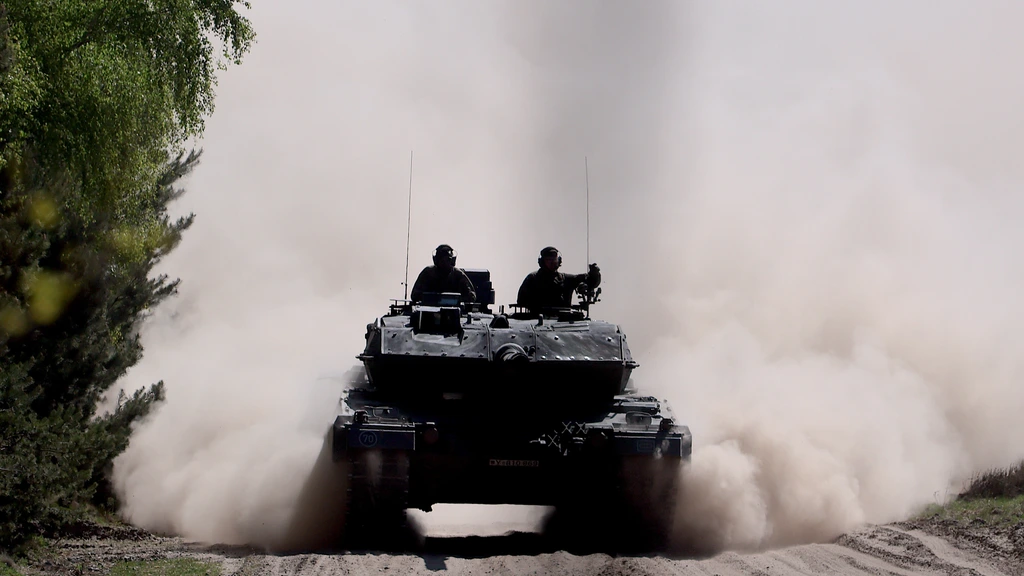
The German government plans a substantial increase in defense expenditures, with the 2027 budget proposing a one-third rise from €82.2 billion in 2026 to nearly €110 billion in 2027. This shift aligns with a constitutional amendment made last year, which created an exception to the "Schuldenbremse" (debt brake) for defense and security spending, previously limiting government debt to revenue. The proposed total budget is €555.4 billion, to be financed by approximately €200 billion in new loans. The cabinet of Chancellor Merz approved the budget, which will now proceed to parliamentary debate starting in September. A significant portion of the increased investment will address infrastructure repairs and the replacement of outdated military equipment. Additionally, around €11.6 billion is allocated for military support to Ukraine in its conflict with Russia. German Finance Minister Klingbeil stated that defending against Putin necessitates more than just a balanced budget. However, concerns are mounting over the escalating national debt, with interest payments projected to double from €42 billion next year to €81 billion by 2030. The BDI, a major industry association, has labeled the borrowing as "alarming" due to soaring interest costs. This move positions Germany to meet NATO's defense spending target of 3.5% of GDP by 2029, six years ahead of the 2035 deadline, a development recently praised by NATO Secretary-General Mark Rutte. The increased borrowing represents a notable departure from Germany's traditional fiscal prudence, enabling significant defense and infrastructure investments but drawing criticism from various sectors, including unions, environmental groups, and industry, over rising debt burdens and potential impacts on investments in sustainability.
Germany's significant increase in defense spending and reliance on new loans marks a strategic pivot, driven by geopolitical imperatives and NATO commitments. This policy shift, enabled by constitutional adjustments to the debt brake, reflects a broader European trend toward re-prioritizing national security in response to evolving global threats. The substantial borrowing, while necessary for modernization and support to allies, introduces fiscal challenges, notably the projected doubling of interest payments by 2030. This creates a tension between immediate security needs and long-term fiscal sustainability, potentially impacting other critical public investments. As Germany navigates this new fiscal landscape, balancing defense requirements with economic prudence will be crucial for maintaining both national security and societal well-being in the coming decade.
AI-generated to prompt reflection — not editorial opinion, not advice, not a statement of fact. How this works.