Germany Braces for Heatwave: Cooling Centers and Hydration Stations Open
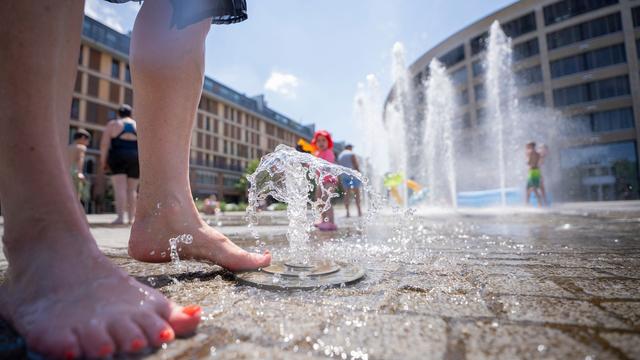
Germany is preparing for a significant heatwave, with temperatures expected to rise sharply across the country. In response to the anticipated extreme heat, numerous cities and municipalities are activating special measures to help residents cope. Cooling centers are being established in public buildings such as libraries, community centers, and sports facilities, offering a respite from the high temperatures. Hydration stations, providing free drinking water, will also be set up in public spaces, particularly in urban areas where heat can be more intense. Local authorities are urging citizens to stay hydrated, avoid strenuous physical activity during peak heat hours, and check on vulnerable individuals, including the elderly and those with pre-existing health conditions. Public transport services may also introduce measures to keep passengers cool, such as increased ventilation on trains and trams. The German Weather Service (DWD) has issued warnings for potential health risks associated with prolonged exposure to high temperatures, including heatstroke and dehydration. Residents are advised to seek shade, wear light clothing, and use cooling methods like cool showers or damp cloths. The activation of these cooling and hydration measures signifies a proactive approach by German authorities to mitigate the public health impacts of rising global temperatures.
The activation of cooling centers and hydration stations across Germany reflects a growing societal adaptation to the predictable impacts of climate change. As heatwaves become more frequent and intense, urban planning and public health strategies must increasingly incorporate resilience measures. This response highlights the tension between the immediate need for public safety and the long-term imperative to address the root causes of climate change. While these measures offer crucial short-term relief, they underscore the systemic challenge of ensuring habitability in increasingly extreme climate conditions. Future planning will likely need to integrate such adaptive strategies more permanently into urban infrastructure and public service provision, alongside robust efforts to mitigate greenhouse gas emissions.
AI-generated to prompt reflection — not editorial opinion, not advice, not a statement of fact. How this works.