Germany Considers Changes to Parental Allowance Rules
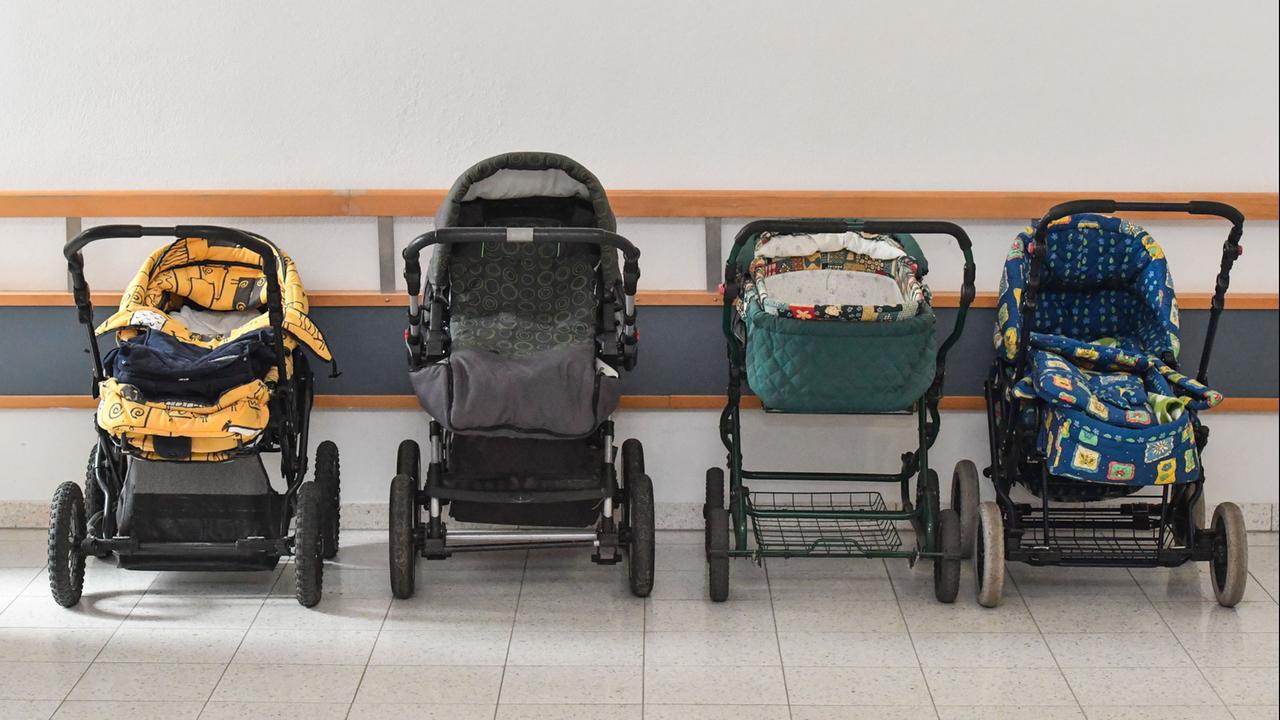
German Family Minister Kristina Prien is proposing significant changes to the country's parental allowance (Elterngeld) system. The proposed reforms include reducing the total duration of the allowance from 14 months to 12 months. Additionally, the number of months specifically reserved for fathers, often referred to as "father months," is slated to decrease from two months to three months. The exact details of the planned reforms and the rationale behind them are currently under discussion. These potential adjustments aim to reshape how parents balance work and family life in Germany.
The proposed modifications to Germany's parental allowance signal a potential recalibration of state support for families, possibly driven by fiscal considerations or evolving societal expectations regarding parental roles. Reducing the duration of benefits and altering the allocation of father-specific months could influence birth rates and parental workforce participation. Policymakers face the challenge of balancing financial sustainability with the goal of promoting gender equality in childcare and supporting families during critical early years. Future policy iterations may need to consider long-term demographic trends and the evolving nature of work in the digital age.
AI-generated to prompt reflection — not editorial opinion, not advice, not a statement of fact. How this works.