Germany Considers Preventive Detention for Suspects After Tiergarten Attack
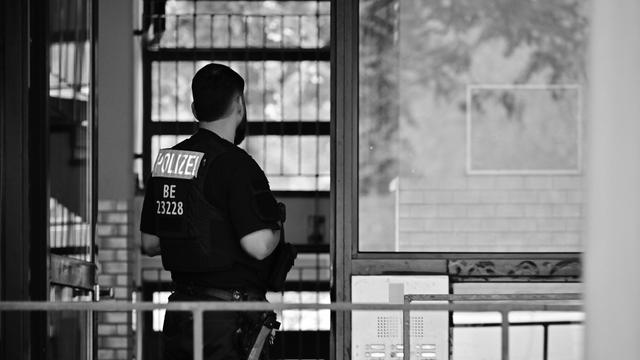
Following the fatal attack in Berlin's Tiergarten, German Interior Minister Nancy Faeser is considering the introduction of preventive detention for individuals deemed a threat. The perpetrator, Abdul B., was reportedly under surveillance as a "Gefährder" (a person considered a potential threat) but was still able to carry out the attack. This incident has prompted a debate about the effectiveness of current monitoring measures and the potential need for stricter pre-emptive actions. The proposed preventive detention would aim to detain individuals deemed a high risk before they can commit violent acts, even if they have not yet committed a specific crime. The Ministry of the Interior is currently evaluating the legal framework and practical implications of such a measure. This development comes amid broader discussions in Germany about security policies and the balance between civil liberties and public safety. The article also briefly mentions unrelated events, such as "fire clouds over France."
The Tiergarten attack highlights a recurring tension in security policy between proactive intervention and the presumption of innocence. While the state has a duty to protect its citizens, measures like preventive detention raise significant questions about due process and the potential for overreach. The effectiveness of such policies hinges on accurate risk assessment, which remains a complex challenge. Future security strategies may need to integrate more sophisticated data analysis and behavioral profiling, while simultaneously strengthening oversight mechanisms to prevent potential abuses and ensure that individual liberties are not unduly curtailed. The long-term challenge will be to adapt security frameworks to evolving threats without eroding the foundational principles of a free society.
AI-generated to prompt reflection — not editorial opinion, not advice, not a statement of fact. How this works.