Germany Debates AI for Police Investigations: Facial Recognition on the Horizon
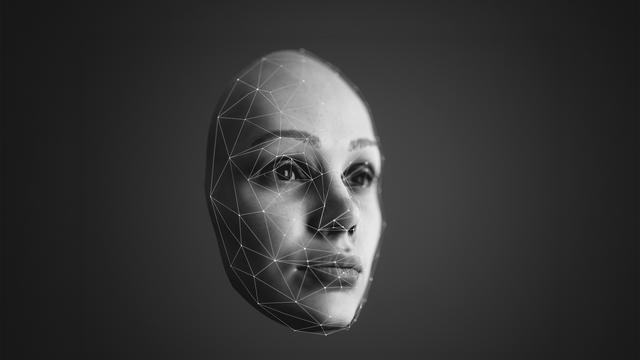
The German Bundestag is currently debating new investigative powers for the police, which could include the use of artificial intelligence. Specifically, the discussion revolves around the possibility of police agencies matching profile pictures with AI. This potential expansion of police capabilities comes at a time when Europe is considering its approach to advanced AI models, with the current consensus suggesting no immediate need for a proprietary European high-performance model. Meanwhile, in the broader AI landscape, Meta has released its own image-generating AI technology. This development highlights the accelerating integration of AI into various sectors, including law enforcement and creative industries.
The proposed expansion of police powers to utilize AI for matching profile pictures signals a significant shift in law enforcement technology. This development raises critical questions about data privacy, algorithmic bias, and the potential for misuse of facial recognition technology. While AI can offer efficiency gains in investigations, careful consideration must be given to establishing robust ethical guidelines and legal frameworks to prevent unwarranted surveillance and protect civil liberties. The global trend towards AI integration necessitates a proactive approach to governance, ensuring that technological advancements serve societal good without compromising fundamental rights. The debate in Germany reflects a broader international challenge in balancing security needs with individual freedoms in the digital age.
AI-generated to prompt reflection — not editorial opinion, not advice, not a statement of fact. How this works.