Germany Denies Asylum to Russian Deserters, Risks Repatriation
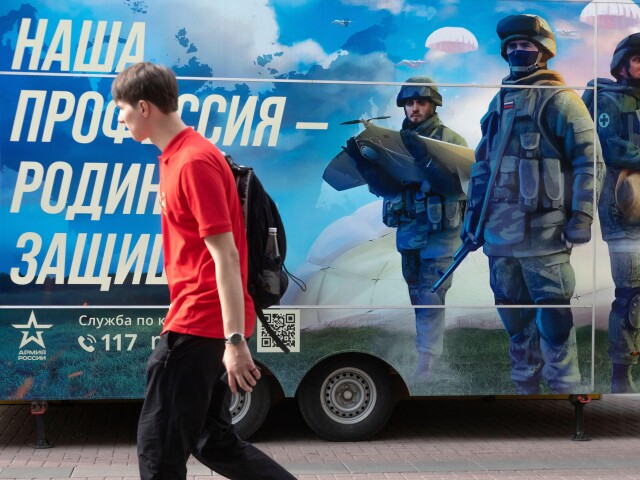
Germany's stance on Russian military deserters and war opponents seeking asylum has shifted, leaving many disappointed. In 2022, following Russia's full-scale invasion of Ukraine, the German Bundestag encouraged Russian soldiers to refuse combat and flee to Germany. This appeal was echoed by then-Chancellor Olaf Scholz and Interior Minister Nancy Faeser in the autumn of 2022. Thousands of Russians heeded this call and applied for asylum in Germany. However, their hopes have been dashed as most applications have been rejected. Furthermore, an increasing number of these individuals are facing deportation back to Russia, where they risk immediate conscription into the military. This situation raises concerns about Germany's commitment to those who opposed the war and sought refuge.
Germany's evolving asylum policy for Russian military personnel presents a complex geopolitical and humanitarian challenge. While initial calls encouraged defection, current implementation appears to prioritize national security and immigration control over previous humanitarian gestures. This shift may reflect broader European Union policy adjustments or domestic political pressures concerning migration. The potential repatriation of individuals who actively resisted military service raises questions about international obligations and the principle of non-refoulement, particularly for those facing potential conscription into an ongoing conflict. Future policy decisions will likely balance security concerns with humanitarian commitments, navigating the intricate legal and ethical landscape of asylum claims in a volatile geopolitical climate.
AI-generated to prompt reflection — not editorial opinion, not advice, not a statement of fact. How this works.