Germany Identifies 410 Individuals as Islamist Threats
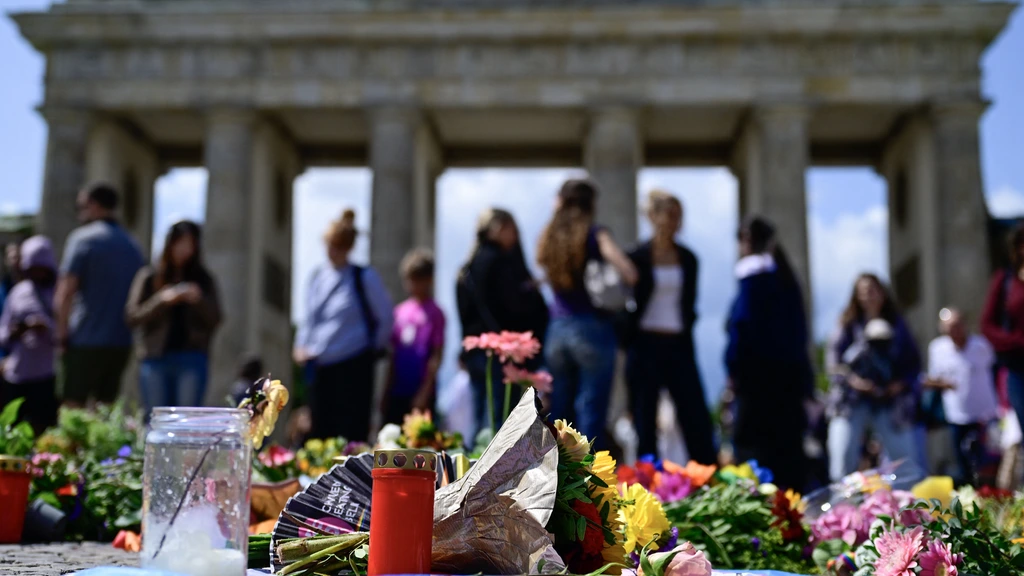
German federal police, the Bundeskriminalamt (BKA), have identified 410 individuals as posing an Islamist threat within the country, according to reports by the media group RND. In comparison, 65 individuals are classified as right-wing extremist threats, and 17 as left-wing extremist threats. The BKA emphasizes that individuals deemed extremist are capable of committing serious violent offenses, including attacks. However, the agency also notes that the classification of extremists is ultimately decided by Germany's federal states, and the current figures do not indicate the specific level of threat posed by these individuals. The report also clarifies the distinction between 'Islamic,' referring to the religion, and 'Islamist,' which denotes a political ideology seeking to implement Islamic principles in state and societal governance. This ideology encompasses various factions, from reformers within democratic systems to radicals advocating for violent overthrow, such as members of groups like IS or al-Qaida. The BKA considers the recent attack at Berlin's Pride event, where a 21-year-old man identified as Abdul B. drove a van into a crowd and fatally stabbed one woman while injuring 29 others, as an Islamist terrorist act. Abdul B., who was reportedly in Islamist circles, was killed by police during an operation the day after the attack. He was known to law enforcement and was participating in a deradicalization program. In the Netherlands, the General Intelligence and Security Service (AIVD) estimates that approximately 500 individuals are part of the jihadist movement, primarily engaged in online propaganda, though the number willing to commit violence remains unknown.
The German BKA's identification of 410 individuals as Islamist threats, alongside smaller numbers for right-wing and left-wing extremism, highlights the ongoing challenge of monitoring and mitigating politically motivated violence. The distinction between religious adherence and political ideology is crucial for accurate threat assessment, as the BKA notes. The case of Abdul B. underscores the complexities of deradicalization programs and the difficulty in predicting an individual's transition from extremist circles to violent action. While intelligence agencies focus on identifying potential threats, the effectiveness of interventions and the systemic factors contributing to radicalization warrant continued examination. Future strategies will likely need to balance security measures with efforts to address root causes of extremism, considering the evolving landscape of online radicalization and the potential for lone-actor attacks.
AI-generated to prompt reflection — not editorial opinion, not advice, not a statement of fact. How this works.