Germany Launches New Speed Camera Blitz Targeting Reckless Drivers
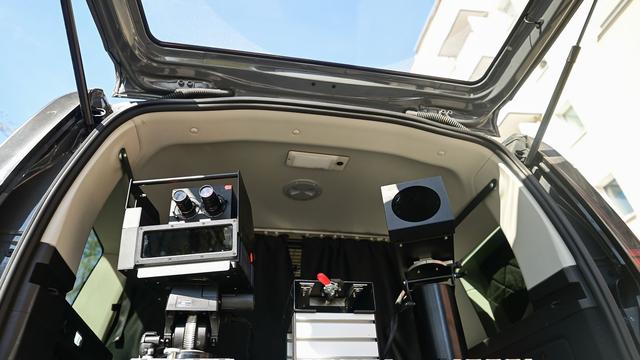
German police are intensifying their efforts against speeding with a new "Blitzermarathon," or speed camera marathon. This initiative aims to significantly increase the number of speed checks conducted across the country. The primary goal is to enhance road safety by deterring reckless driving and reducing the incidence of high-speed offenses. Authorities are deploying a comprehensive network of speed monitoring devices, including stationary and mobile cameras, to cover a wide range of roads. The operation is part of a broader strategy to combat dangerous driving behaviors that contribute to accidents and fatalities. Drivers caught exceeding the speed limit will face stricter penalties, including increased fines and potential license suspensions. The police are urging all motorists to adhere to posted speed limits and drive responsibly to ensure the safety of themselves and others on the road. This intensified campaign is expected to run for an unspecified period, with potential for further operations in the future.
The intensified speed camera campaign in Germany reflects a common governmental approach to address road safety concerns, leveraging technology to enforce traffic laws. This strategy aims to create a deterrent effect, potentially reducing accident rates by modifying driver behavior through the threat of penalties. However, the effectiveness of such widespread enforcement in achieving long-term behavioral change warrants consideration. Over-reliance on punitive measures may lead to drivers becoming more adept at evading detection rather than internalizing safe driving habits. Future policy discussions could explore complementary strategies, such as enhanced driver education, infrastructure improvements, and the integration of advanced driver-assistance systems, to foster a more sustainable culture of road safety that aligns with evolving automotive technologies and societal expectations.
AI-generated to prompt reflection — not editorial opinion, not advice, not a statement of fact. How this works.
