Germany May Not Receive Tomahawk Missiles Until 2028, Media Reports
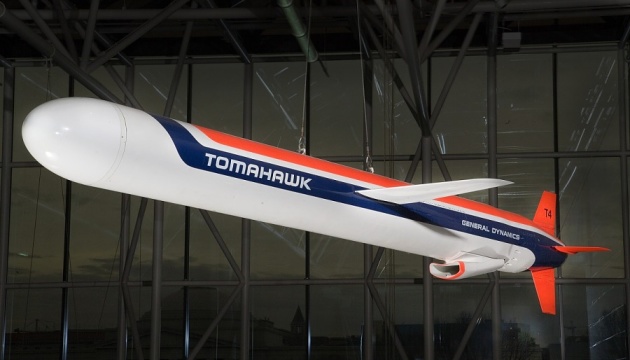
Germany's acquisition of American Tomahawk cruise missiles is not expected to occur before 2028, according to media reports. The German federal government has not officially disclosed any specific timelines for the delivery of these advanced weapons systems. This potential acquisition comes at a time of heightened geopolitical tensions and evolving defense needs across Europe. The Tomahawk missile is a long-range, precision-guided munition known for its effectiveness in various combat scenarios. The delay, if it holds, could impact Germany's strategic defense planning and its ability to project power in the coming years. While the exact reasons for the projected timeline are not detailed, such procurements often involve complex logistical, political, and manufacturing considerations. The lack of official confirmation from the government underscores the sensitive nature of such military hardware transfers. This situation highlights the intricate processes involved in intergovernmental defense agreements and the long lead times associated with modern military technology.
The potential delay in Germany receiving Tomahawk missiles until 2028, as reported by media, suggests that defense procurement timelines are subject to significant external and internal factors. This extended period may reflect the complexities of international arms sales, manufacturing capacity, and the integration of new systems into existing military structures. From a strategic perspective, such delays necessitate robust long-term defense planning to ensure operational readiness and maintain deterrence. The opacity surrounding official timelines could indicate ongoing negotiations, security concerns, or a deliberate strategy to manage public and international perceptions. Evaluating this situation through a ten-year lens, it underscores the challenges of adapting military capabilities to a rapidly changing global security environment, where technological advancements and geopolitical shifts demand agile and responsive defense acquisition processes.
AI-generated to prompt reflection — not editorial opinion, not advice, not a statement of fact. How this works.