Germany moves neo-Nazi to men's prison amid gender identity law debate
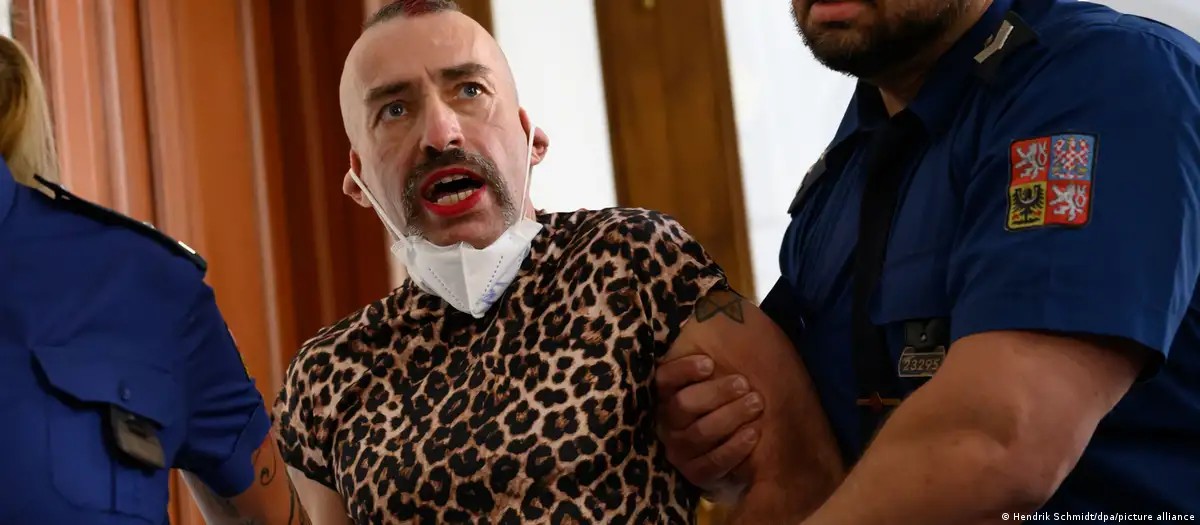
Authorities in Saxony, Germany, have transferred Marla-Svenja Liebich, a prominent neo-Nazi figure, to a men's prison. This decision follows Liebich's initial placement in a women's facility after she began identifying as a woman. Liebich, previously known as Sven, was serving a sentence of one and a half years for crimes including incitement to ethnic hatred and defamation. She had disappeared last August after failing to report to prison and was later apprehended in the Czech Republic in early April, with extradition proceedings concluding recently. Liebich had argued she feared for her safety in a men's facility, but reports indicated she was found with short hair and wearing men's clothing upon capture. Critics accuse Liebich of exploiting Germany's Gender Self-Determination Act, which allows for legal gender changes via simple declaration, to fraudulently avoid serving time in a male prison. Saxony's Justice Secretary, Constanze Geiert, supported the transfer, stating that "tricks, fraud, and games never work in the rule of law" and emphasizing the need to protect female inmates. The Halle judiciary is currently reviewing a case that could potentially reverse Liebich's gender declaration. Liebich, 55, has a long history in the far-right scene and previously voiced anti-LGBTQ+ sentiments before her gender transition. The case has ignited a debate about potential misuse of the gender self-determination law, which was reformed in late 2024 to simplify legal gender changes.
This case highlights a complex intersection of legal frameworks concerning gender identity and criminal justice. The German Gender Self-Determination Act, designed to simplify legal gender changes and affirm individual autonomy, appears to be facing scrutiny due to its application in cases involving individuals with prior criminal convictions and controversial public histories. The situation raises questions about the balance between facilitating an individual's right to self-determination and ensuring the integrity of the legal system, public safety, and the protection of vulnerable populations within correctional facilities. Future legislative reviews may need to address potential loopholes or specific criteria to prevent perceived manipulation of the law, while still upholding its core principles of inclusivity and respect for gender identity. The debate underscores the evolving societal understanding of gender and the challenges in adapting legal structures to these changes, particularly when juxtaposed with established penal codes and public security concerns.
AI-generated to prompt reflection — not editorial opinion, not advice, not a statement of fact. How this works.