Germany Plans 20% Tax Increase on Spirits
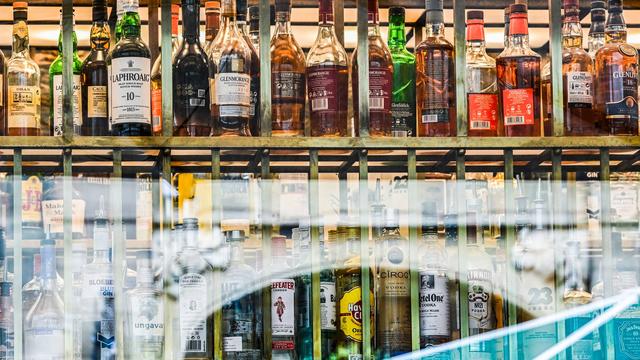
The German government is planning a significant increase in the tax levied on spirits, with a proposed hike of 20 percent. This fiscal measure is expected to impact the pricing of alcoholic beverages within the country. The specific details regarding the implementation timeline and the exact revenue projections have not yet been fully disclosed. However, the move signals a potential shift in the government's approach to excise duties on certain consumer goods. The industry is likely to face adjustments in response to the new tax structure. Further discussions and parliamentary approval will be necessary before the tax increase can take effect. The potential consequences for consumers and the beverage market are yet to be fully assessed.
This proposed tax adjustment on spirits in Germany reflects a common fiscal strategy to increase government revenue and potentially influence consumer behavior regarding alcohol consumption. Such measures often involve balancing economic objectives with public health considerations. The 20 percent increase could lead to higher prices for consumers, potentially impacting demand and market dynamics within the spirits industry. From a systemic perspective, excise taxes are a tool governments use to generate income and address externalities associated with certain products. The long-term effects will depend on consumer price elasticity, industry adaptation, and the government's allocation of the increased revenue.
AI-generated to prompt reflection — not editorial opinion, not advice, not a statement of fact. How this works.