Germany Prepares for Potential Blackouts Following Widespread Power Outages
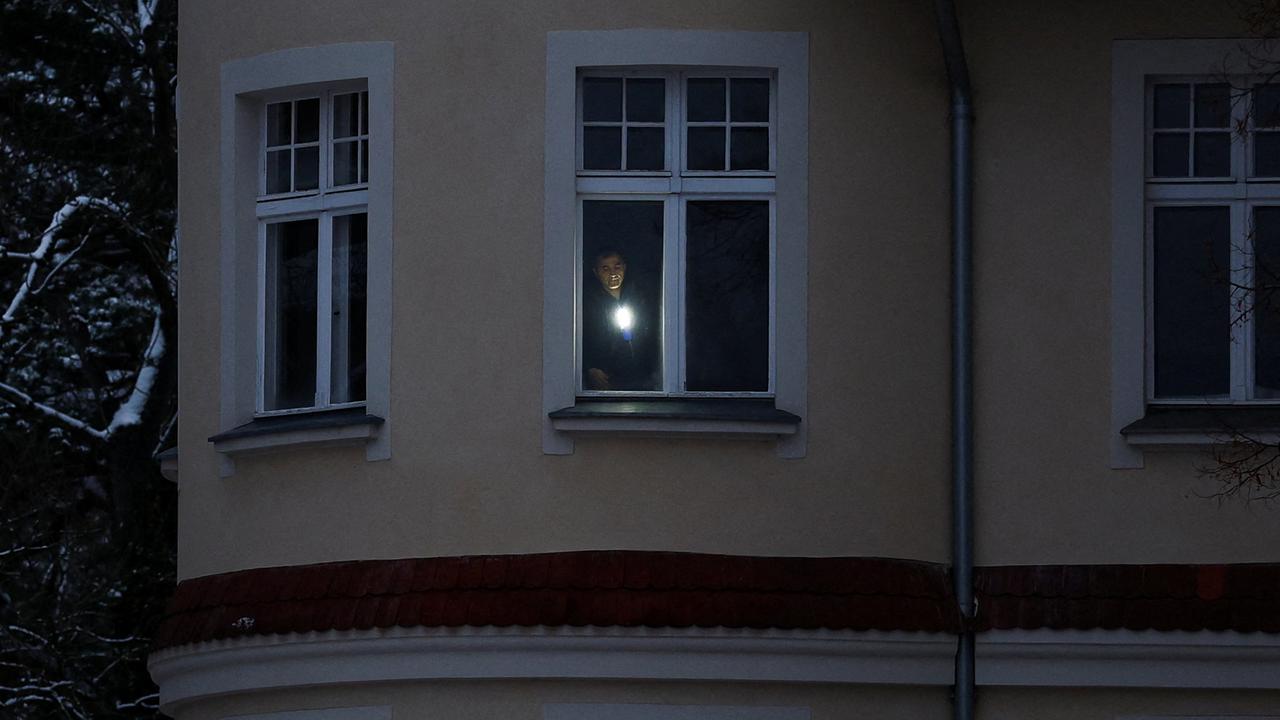
Germany is reassessing its preparedness for large-scale power outages following a significant incident earlier this year. In January, approximately 50,000 households in Berlin experienced a complete loss of electricity. This event has prompted a national discussion and review of how the country can better equip itself to handle similar scenarios in the future. The focus is on developing strategies and infrastructure to mitigate the impact of such disruptions and ensure greater resilience in the energy supply. The goal is to enhance the nation's ability to respond effectively to sudden and prolonged power failures, safeguarding essential services and the public.
The January power outage affecting 50,000 Berlin households highlights critical infrastructure vulnerabilities in densely populated areas. This event necessitates a review of grid resilience and emergency response protocols, particularly in light of increasing demands on energy systems due to digitalization and climate change adaptation. Future preparedness strategies should consider decentralized energy solutions, robust backup systems for critical infrastructure, and clear public communication channels during emergencies to maintain social order and trust. The challenge lies in balancing the cost of extensive upgrades against the probability and potential impact of future blackouts, a complex risk management equation for national energy security.
AI-generated to prompt reflection — not editorial opinion, not advice, not a statement of fact. How this works.