Germany Proposes EU Peace Force to Replace UN Mission in Lebanon
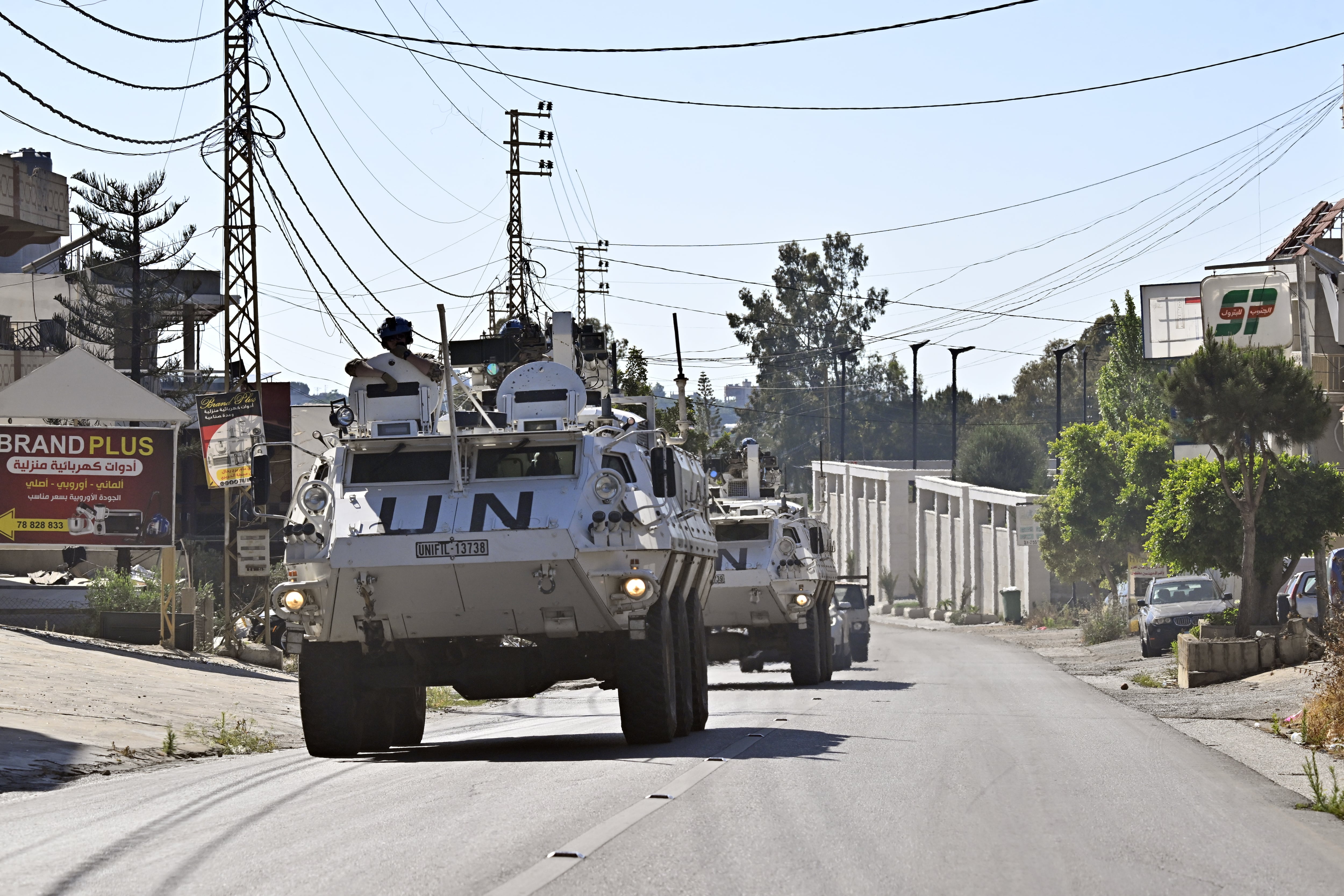
Germany's government, led by Friedrich Merz, has proposed that a European Union peacekeeping force should replace the United Nations Interim Force in Lebanon (UNIFIL). This proposal stems from concerns that the potential end of UNIFIL's mandate could create a significant security vacuum. The timing of this concern is particularly acute as negotiations are underway to halt the advance of the Israeli army. The German government fears that a lapse in the international peacekeeping presence could destabilize the region further. This initiative reflects a broader European discussion about increasing the EU's role in international security and crisis management. The proposal aims to ensure continuity in security arrangements and prevent a power vacuum that could be exploited by destabilizing actors. The German government's proactive stance highlights its commitment to regional stability in the Middle East. The potential deployment of an EU force would require significant political will and coordination among member states. The success of such a mission would depend on its mandate, resources, and the cooperation of regional parties.
Germany's proposal to deploy an EU force in place of UNIFIL highlights a strategic shift towards greater European autonomy in security matters. This move could be driven by a desire to exert more influence over regional stability and potentially align peacekeeping operations with EU foreign policy objectives, especially amid complex geopolitical negotiations concerning the Israeli army's actions. The initiative addresses potential security gaps but also raises questions about the EU's capacity and willingness to undertake such missions independently, considering the logistical, financial, and political commitments involved. The long-term implications may involve a redefinition of the EU's global security role, potentially creating new precedents for its engagement in conflict zones and testing its ability to manage diverse international relations.
AI-generated to prompt reflection — not editorial opinion, not advice, not a statement of fact. How this works.