Germany Responds to Looming Varta Breakup Amidst Corporate Crisis
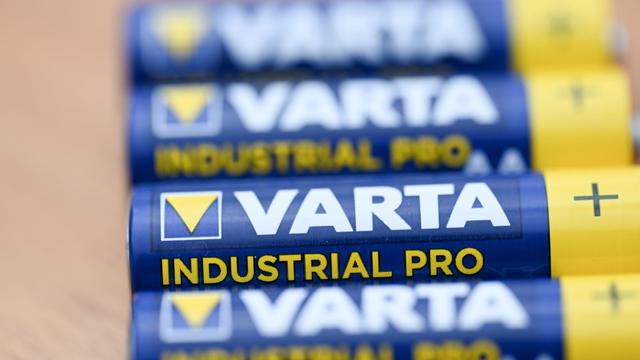
The German state is closely monitoring the critical situation at Varta AG, a prominent technology company, as discussions about a potential breakup intensify. The company, known for its battery technology and consumer electronics, faces significant financial challenges that have prompted these serious considerations. Federal and state officials are reportedly in communication with Varta's management and stakeholders to understand the full scope of the crisis and explore possible solutions.
The German government has expressed its concern over the potential consequences of a Varta liquidation or forced sale, particularly regarding job losses and the impact on Germany's industrial landscape. Varta is a significant employer in several regions, and its potential collapse could have severe economic repercussions. Discussions are underway to assess whether state intervention or support could be a viable option to preserve the company's core operations and employment.
While specific details of the ongoing negotiations remain confidential, sources suggest that various restructuring scenarios are being evaluated. The ultimate outcome will depend on the company's financial health, investor confidence, and the government's willingness to provide assistance. The situation underscores the broader challenges facing traditional industrial companies in adapting to rapidly evolving global markets and technological shifts.
The potential breakup of Varta AG highlights the systemic pressures on established industrial firms navigating rapid technological shifts and global market dynamics. Governments often face a complex balancing act when intervening in corporate crises, weighing the costs of potential bailouts against the economic and social impacts of company collapse, such as job losses and the erosion of domestic industrial capacity. The situation prompts reflection on the long-term strategic planning required for companies to maintain competitiveness in sectors like battery technology, which are crucial for future economic growth and the energy transition. Future policy considerations might involve fostering more resilient corporate structures and supporting innovation ecosystems to mitigate the risks associated with such significant industrial disruptions.
AI-generated to prompt reflection — not editorial opinion, not advice, not a statement of fact. How this works.