Germany's 2027 Budget Proposal: Finance Minister Klingbeil Plans Increased Debt
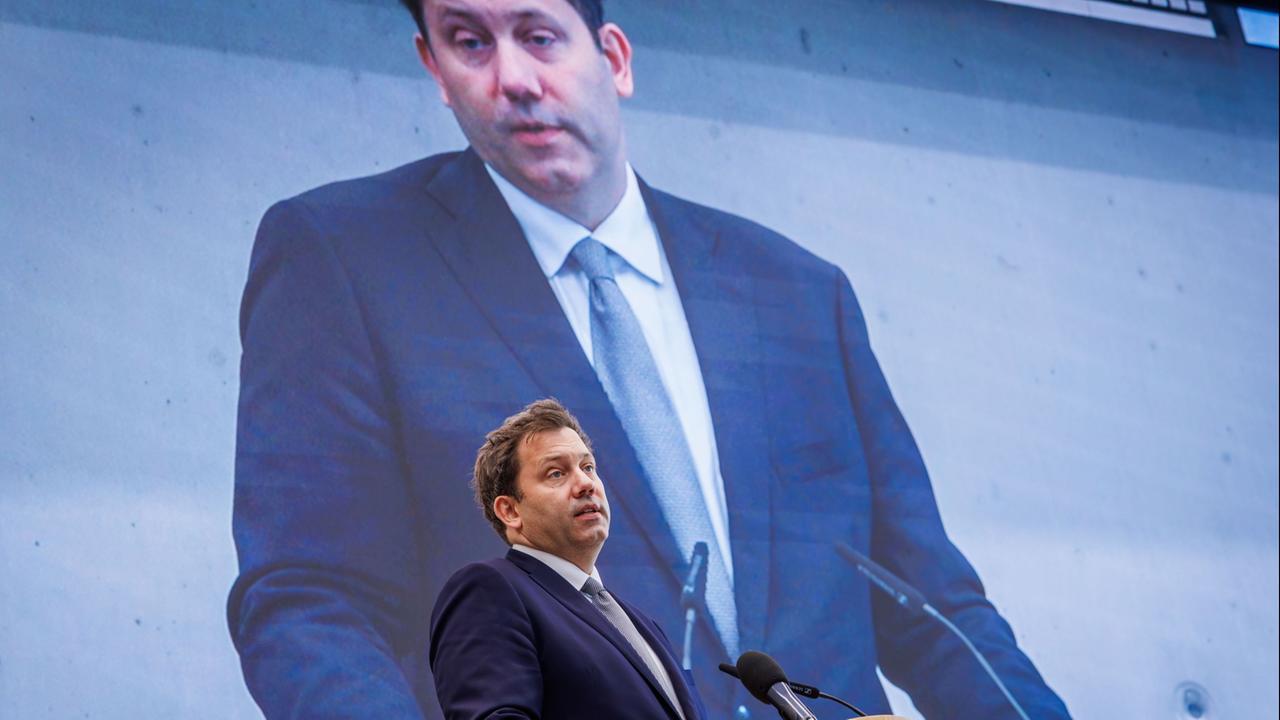
German Finance Minister Christian Klingbeil is set to present his budget proposal for the year 2027 today. A key aspect of this proposal involves the planned increase of new government debt. Klingbeil will be required to provide an explanation to the Budget Committee regarding this decision. Furthermore, the proposal includes plans to reduce funding allocated from the Climate and Transformation Fund. The details of these financial adjustments and their justifications will be scrutinized by the committee. This budget marks a significant point in the government's fiscal planning for the coming years, addressing both immediate needs and longer-term climate initiatives. The committee's review will focus on the rationale behind the increased borrowing and the reallocation of climate funds. The outcome of this presentation and subsequent discussions will shape Germany's economic trajectory.
The proposed 2027 budget, featuring increased borrowing and reduced climate fund allocations, reflects a potential tension between immediate fiscal demands and long-term sustainability goals. This approach may be driven by evolving economic conditions or shifting governmental priorities. The necessity for Finance Minister Klingbeil to justify these measures to the Budget Committee highlights the established governance mechanisms for fiscal oversight. Examining the underlying economic rationale and the long-term implications for climate action will be crucial for understanding the strategic direction of Germany's fiscal policy. The government's ability to balance debt management with climate commitments will be a key indicator of its future economic resilience and its commitment to environmental targets.
AI-generated to prompt reflection — not editorial opinion, not advice, not a statement of fact. How this works.