Germany's €49 Ticket: A Train Journey Through Chaos and Hope
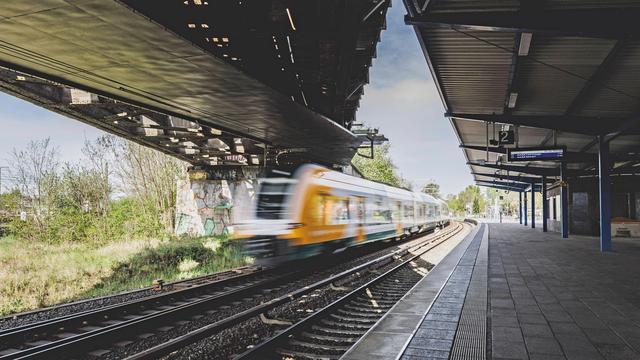
The author embarked on an eleven-hour train journey from Frankfurt to Berlin to investigate whether regional trains could offer a solution to the persistent chaos experienced on Germany's ICE high-speed network. This journey was undertaken to explore the potential of the Deutschlandticket, a €49 monthly public transport pass, in alleviating the strain on the country's rail infrastructure. The experience aimed to assess the practical viability of relying on regional services as an alternative to the often-disrupted ICE routes. The investigation sought to understand if these slower, more numerous regional trains could provide a more reliable and accessible travel option for passengers. The author's extensive trip was designed to capture a comprehensive picture of the current state of German rail travel, highlighting both the challenges and potential improvements. The core question revolved around the capacity of regional networks to absorb demand and offer a consistent service, especially when compared to the perceived unreliability of the flagship ICE services. This exploration was prompted by the ongoing issues plaguing the ICE system, which has faced numerous delays and cancellations. The Deutschlandticket's introduction was seen as a significant policy intervention, and this journey served as a real-world test case for its effectiveness in practice. Ultimately, the author sought to determine if this innovative ticketing system, coupled with a potential shift towards regional lines, could indeed offer a 'train-witty' solution to Germany's rail woes.
The Deutschlandticket represents a significant policy experiment aimed at simplifying public transport access and potentially shifting passenger demand away from more congested, high-maintenance routes like the ICE. The author's journey highlights a critical tension: the desire for affordable, accessible travel versus the operational realities and infrastructure limitations of a complex rail network. By exploring regional alternatives, the investigation probes whether a decentralized approach can mitigate systemic issues, or if it merely redistributes existing capacity constraints. This scenario prompts consideration of long-term infrastructure investment strategies and the potential for technological integration to improve service reliability across all train types. The success of such initiatives hinges on balancing fare affordability with the sustained operational and capital expenditures required for a robust national rail system.
AI-generated to prompt reflection — not editorial opinion, not advice, not a statement of fact. How this works.