Germany's AfD Party Dismisses Russian Disinformation Accusations
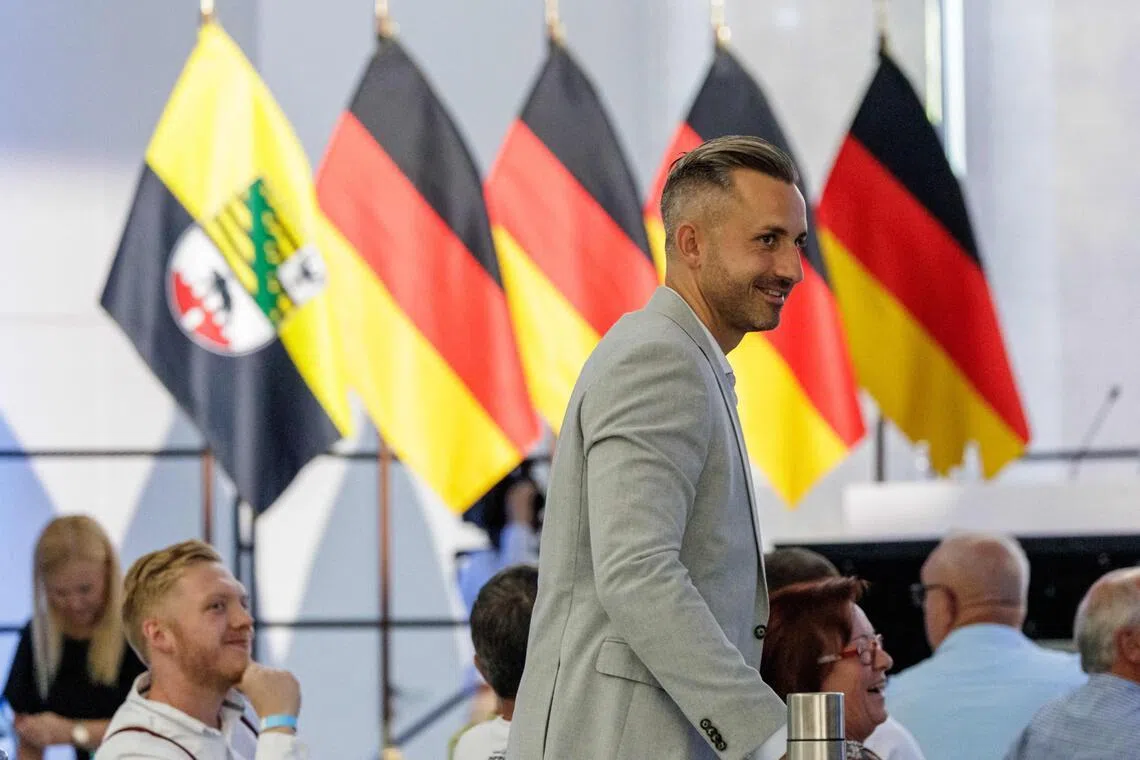
Germany's far-right political party, Alternative for Germany (AfD), has rejected accusations that it is involved in spreading Russian disinformation. The party maintains that its actions and agenda are solely focused on serving German national interests. This statement comes amidst concerns and allegations regarding foreign interference in democratic processes ahead of upcoming polls. The AfD's response asserts their autonomy and commitment to domestic priorities, distancing themselves from any external influence or manipulation. The party's leadership has consistently emphasized its platform, which often includes Eurosceptic and nationalist viewpoints. These accusations highlight the broader geopolitical tensions and the challenges democratic nations face in safeguarding their electoral integrity against potential disinformation campaigns. The AfD's firm denial underscores the ongoing debate about the intersection of national politics and international relations.
The accusations against the AfD suggest a complex interplay between domestic political movements and external state actors seeking to influence European elections. Examining this dynamic through the lens of incentive structures reveals potential benefits for both parties: external actors may seek to destabilize rivals or promote favorable political outcomes, while domestic parties might leverage such relationships for increased visibility or support. The AfD's assertion of serving German interests, while a standard political claim, warrants scrutiny regarding how perceived national interests align with or diverge from international norms and democratic stability. Future analyses should consider the long-term implications of such alleged alliances on democratic institutions and the evolving landscape of information warfare in the digital age.
AI-generated to prompt reflection — not editorial opinion, not advice, not a statement of fact. How this works.