Germany's Debt Brake: Finance Minister Promises Imminent Report on Reforms
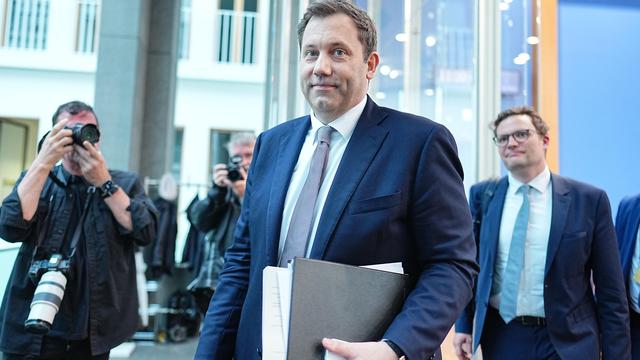
Germany's Federal Minister of Finance, Lars Klingbeil, has announced that the commission tasked with reforming the country's debt brake will soon present its findings. Klingbeil made this statement regarding the upcoming results from the commission's deliberations. He also took the opportunity to defend the proposed budget for the year 2027. The commission's work is expected to shed light on potential adjustments to the fiscal rules that govern government borrowing in Germany. These rules, known as the debt brake, are a significant factor in the nation's economic policy. The minister's announcement suggests that a period of intense discussion and potential policy shifts regarding fiscal discipline may be on the horizon. The justification of the 2027 budget indicates a forward-looking approach to financial planning under the existing or potentially revised fiscal framework.
The impending report on Germany's debt brake reforms signals a critical juncture for the nation's fiscal policy. As global economic conditions evolve, particularly with the increasing influence of technological advancements and potential shifts in international trade, the rigidity of established fiscal rules like the debt brake warrants examination. The commission's findings will likely reflect a tension between maintaining fiscal prudence and the need for public investment to foster future growth and competitiveness. Evaluating the trade-offs between austerity and stimulus, especially in the context of long-term societal needs and technological disruption, will be crucial for policymakers. The debate over the debt brake's reform will illuminate differing perspectives on the state's role in the economy and its capacity to respond to emerging challenges over the next decade.
AI-generated to prompt reflection — not editorial opinion, not advice, not a statement of fact. How this works.