Germany's Deutsche Bahn bans alcohol sales at stations citing rising violence
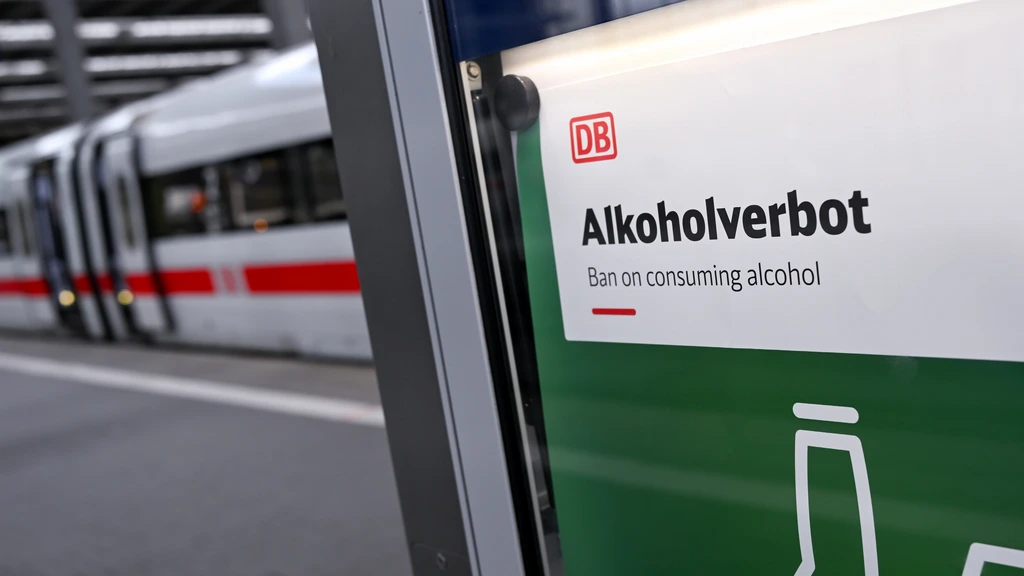
Deutsche Bahn, Germany's national railway company, is implementing a phased alcohol ban across all 5,400 of its stations by mid-October, citing a rise in violence. This decision follows an incident where a ticket inspector was severely injured after an altercation with a drunk passenger on a moving train. Last year, Deutsche Bahn reported approximately 5,600 violent incidents, with around 3,000 involving attacks on rail personnel. While some large stations have seen reduced incidents after implementing measures, hundreds of issues still occur. The ban aims to enhance the safety of passengers and staff, as alcohol consumption is frequently linked to increased violence in public spaces. Although alcohol will be prohibited for consumption on station premises and platforms, it will still be sold and permitted in dining cars on high-speed ICE trains, provided it does not cause disruption. The effectiveness of the ban and its enforcement are subjects of ongoing debate, with the Interior Minister expressing openness but also concerns about feasibility, and the police union emphasizing the need for additional police resources for effective implementation. Some large stations like Cologne and Hamburg already have partial bans where alcohol is sold but not consumed, reportedly leading to fewer incidents and less waste.
Deutsche Bahn's decision to ban alcohol at stations represents a strategic response to escalating violence, aiming to mitigate risks associated with public intoxication. While the ban directly addresses a perceived cause of incidents, its efficacy in enhancing overall safety is subject to broader systemic factors. Experts suggest that issues like inadequate surveillance, poor station maintenance, and the absence of crowd-control measures also contribute to feelings of insecurity, particularly for vulnerable groups. The railway company's focus on safety, alongside punctuality, highlights a critical challenge in public transport: balancing operational efficiency with passenger well-being. The debate over enforcement underscores the complexities of implementing such regulations, suggesting that a multi-faceted approach involving local authorities and increased policing may be necessary. Looking ahead, the success of this measure will likely depend on its integration with wider urban safety initiatives and its ability to foster a more secure environment without unduly restricting passenger experience.
AI-generated to prompt reflection — not editorial opinion, not advice, not a statement of fact. How this works.