Germany's far-right AfD maintains lead in polls amid large protests
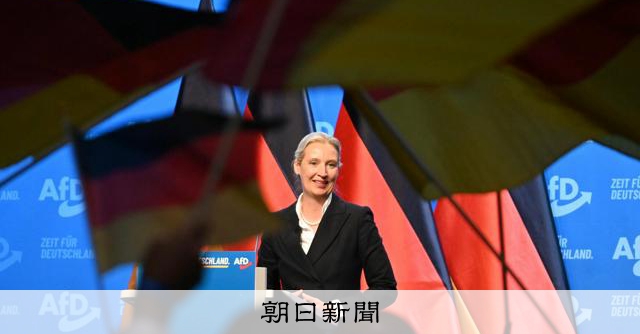
Germany's far-right Alternative for Germany (AfD) party continues to hold the top position in national opinion polls. This sustained popularity comes despite significant public opposition, as evidenced by a large protest surrounding the party's recent congress. Over 30,000 people gathered near the venue to voice their dissent against the AfD's policies and ideology. The demonstrations highlight a deep societal division regarding the AfD's growing influence in German politics. Despite the protests, the party's polling numbers suggest a segment of the electorate remains receptive to its platform. The AfD has been gaining traction, particularly in eastern Germany, capitalizing on concerns about immigration and economic issues. The ongoing political tension underscores the challenges facing mainstream parties in countering the AfD's appeal. The situation reflects broader European trends of rising populism and nationalism. Further developments will likely be closely watched by political observers both domestically and internationally.
The AfD's continued lead in polls, juxtaposed with significant public protest, illustrates a complex interplay of voter sentiment and societal values in Germany. This dynamic suggests that while a portion of the electorate is drawn to the AfD's platform, potentially due to dissatisfaction with established political discourse or specific policy areas like immigration and economic stability, a substantial segment of the population actively opposes its ideology. The protests indicate a strong civic engagement and a desire to counter the perceived threat of far-right extremism. Future political strategies will likely involve navigating this polarization, with mainstream parties seeking to address underlying voter concerns while also reinforcing democratic norms and values. The long-term implications for German political stability and European integration remain a critical consideration as these trends evolve.
AI-generated to prompt reflection — not editorial opinion, not advice, not a statement of fact. How this works.