Germany's Far-Right AfD Sees Unstoppable Rise in Polls and Elections
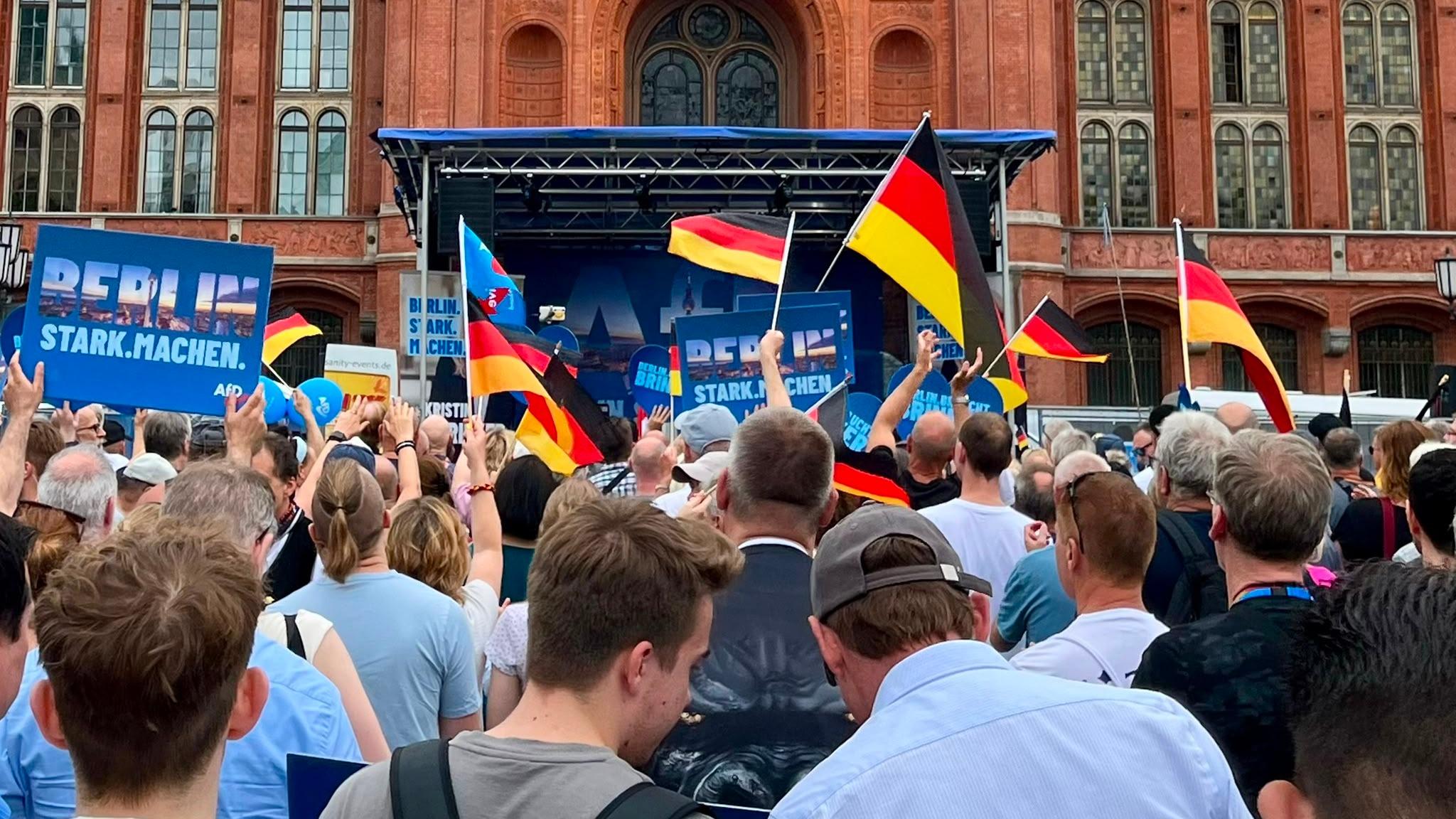
In Germany, the far-right Alternative for Germany (AfD) party has established itself as a significant force in the political landscape over its thirteen years of existence. Despite its radical stance, the party's influence continues to grow, as evidenced by its strong performance in opinion polls and recent electoral results. The upcoming regional election in Saxony-Anhalt, scheduled for September, is poised to be another crucial milestone in the AfD's trajectory. This ascendance suggests a notable shift in German political sentiment, with the AfD capturing a substantial portion of the electorate. The party's persistent gains indicate a complex interplay of factors contributing to its appeal, challenging traditional political alignments. Observers are closely watching the Saxony-Anhalt election for further indications of the AfD's electoral potential and its long-term impact on German democracy. The party's sustained momentum underscores its evolving role and increasing relevance within the nation's political discourse.
The sustained electoral gains of the AfD in Germany warrant examination through the lens of evolving voter priorities and the broader European political climate. Factors such as economic anxieties, immigration concerns, and dissatisfaction with established political parties likely contribute to the AfD's appeal. Analyzing the party's messaging and its resonance with specific demographics can illuminate underlying societal trends. Future political landscapes may be shaped by how mainstream parties adapt to address the concerns that fuel the AfD's growth, potentially leading to shifts in policy and coalition dynamics. The long-term implications of this trend for democratic discourse and institutional stability in Germany and across Europe merit careful consideration.
AI-generated to prompt reflection — not editorial opinion, not advice, not a statement of fact. How this works.