Germany's Federal Government Response to Wildfires
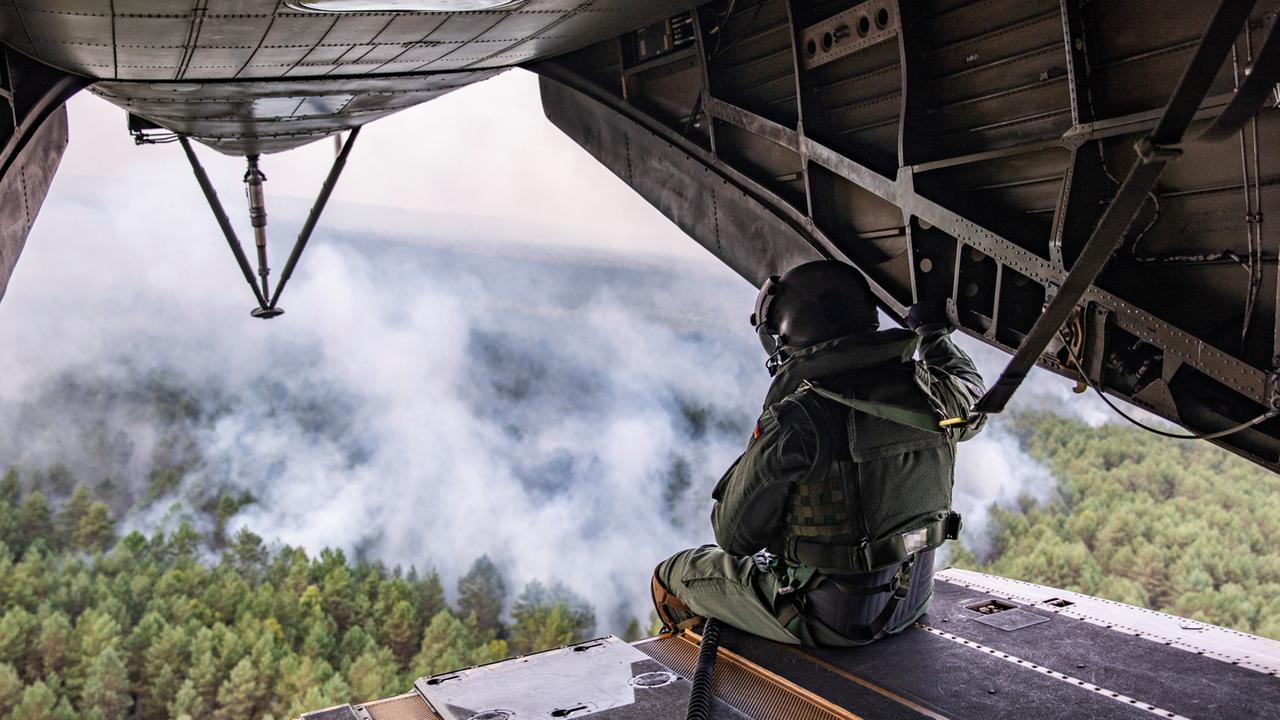
Germany is facing the prospect of another record year for wildfires. While the primary responsibility for combating these fires lies with the federal states and local municipalities, some of these entities are finding themselves overwhelmed. This situation raises questions about the extent of support provided by the federal government and whether this support is sufficient to meet the growing challenges. The article explores the measures the federal government is taking to assist in wildfire prevention and suppression efforts. It also critically examines the adequacy of these measures in the face of potentially escalating fire seasons. The effectiveness of current strategies and the need for potential adjustments are key points of discussion.
As wildfire seasons intensify, the division of responsibilities between federal states and the federal government in Germany warrants examination. While states and municipalities bear direct operational burdens, the federal government's role in providing resources, coordinating national strategies, and investing in long-term prevention technologies is crucial. Evaluating the sufficiency of current federal support requires considering the escalating frequency and severity of fires, potentially driven by climate change. Future-oriented strategies should focus on enhancing inter-agency cooperation, leveraging technological advancements for early detection and response, and investing in landscape-level resilience measures. This proactive approach could mitigate the strain on local resources and build a more robust national defense against increasingly severe wildfire threats.
AI-generated to prompt reflection — not editorial opinion, not advice, not a statement of fact. How this works.