Germany's Lakes Warn of Blue-Green Algae and Cercariae Risks
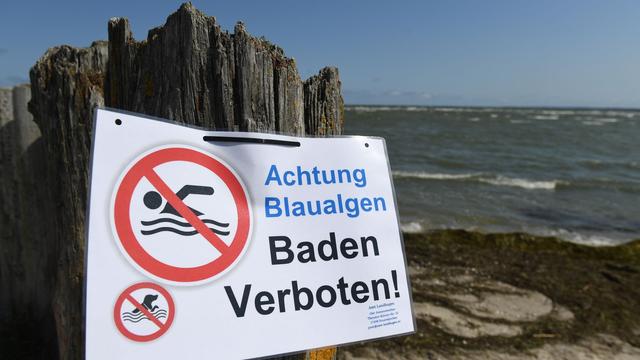
Swimmers in German lakes are being cautioned about potential health risks from blue-green algae and cercariae. Blue-green algae, also known as cyanobacteria, can form blooms that pose dangers to both humans and animals. Exposure can lead to skin irritation, gastrointestinal issues, and in severe cases, neurological problems. Cercariae, the larval form of certain parasitic flatworms, can cause swimmer's itch, an itchy rash that develops after swimming in contaminated fresh or saltwater. The presence of these organisms is often influenced by water temperature and nutrient levels. Authorities are advising the public to be aware of warning signs and to avoid swimming in areas with visible algal blooms or if they experience symptoms after swimming. Precautions include showering after swimming and avoiding stagnant or murky water. Further information and specific advisories for individual bathing waters are typically available from local health departments and environmental agencies.
The recurring warnings about blue-green algae and cercariae in German bathing waters highlight the ongoing challenge of balancing recreational water use with ecological health. These biological contaminants are sensitive indicators of water quality, often exacerbated by warmer temperatures and nutrient runoff from agricultural and urban sources. Managing these risks requires a multi-faceted approach, involving public awareness campaigns, improved water monitoring systems, and long-term strategies to mitigate eutrophication. Future considerations may include advanced water treatment technologies and policy interventions aimed at reducing nutrient loads, ensuring that public health is protected while preserving access to natural water bodies.
AI-generated to prompt reflection — not editorial opinion, not advice, not a statement of fact. How this works.