Germany's LNG Imports Rise Despite Geopolitical Tensions
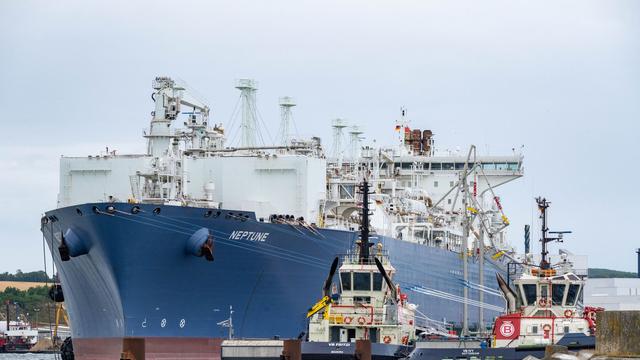
Germany's reliance on liquefied natural gas (LNG) for its gas imports has increased, even amidst ongoing geopolitical conflicts, including those involving Iran. This trend indicates a strategic shift in the country's energy procurement, prioritizing diversification and security of supply. The rise in LNG imports suggests a move away from traditional pipeline gas sources, likely driven by a desire to reduce dependence on specific suppliers and mitigate risks associated with international instability. Germany has been actively expanding its LNG import infrastructure, including the construction of new terminals, to accommodate this growing demand. The increase in the LNG share of total gas imports highlights the evolving landscape of European energy security. This strategy aims to ensure a stable gas supply for domestic consumption and industry, even as global energy markets face considerable volatility. The country's commitment to securing diverse energy sources underscores its efforts to navigate complex international relations and maintain energy independence.
Germany's increased reliance on LNG, despite geopolitical friction, reflects a pragmatic approach to energy security in an increasingly volatile global market. This strategic pivot, driven by the need to diversify away from traditional pipeline gas, highlights the tension between energy needs and the complexities of international relations. The expansion of LNG infrastructure signals a long-term commitment to this energy source, potentially shaping Germany's energy mix and its role in global energy trade for the next decade. This diversification strategy, while enhancing supply security, also introduces new dependencies on global LNG markets and shipping routes, necessitating careful management of associated economic and environmental considerations.
AI-generated to prompt reflection — not editorial opinion, not advice, not a statement of fact. How this works.