Germany's New China Strategy: Protecting Domestic Industry Amidst Rising Concerns
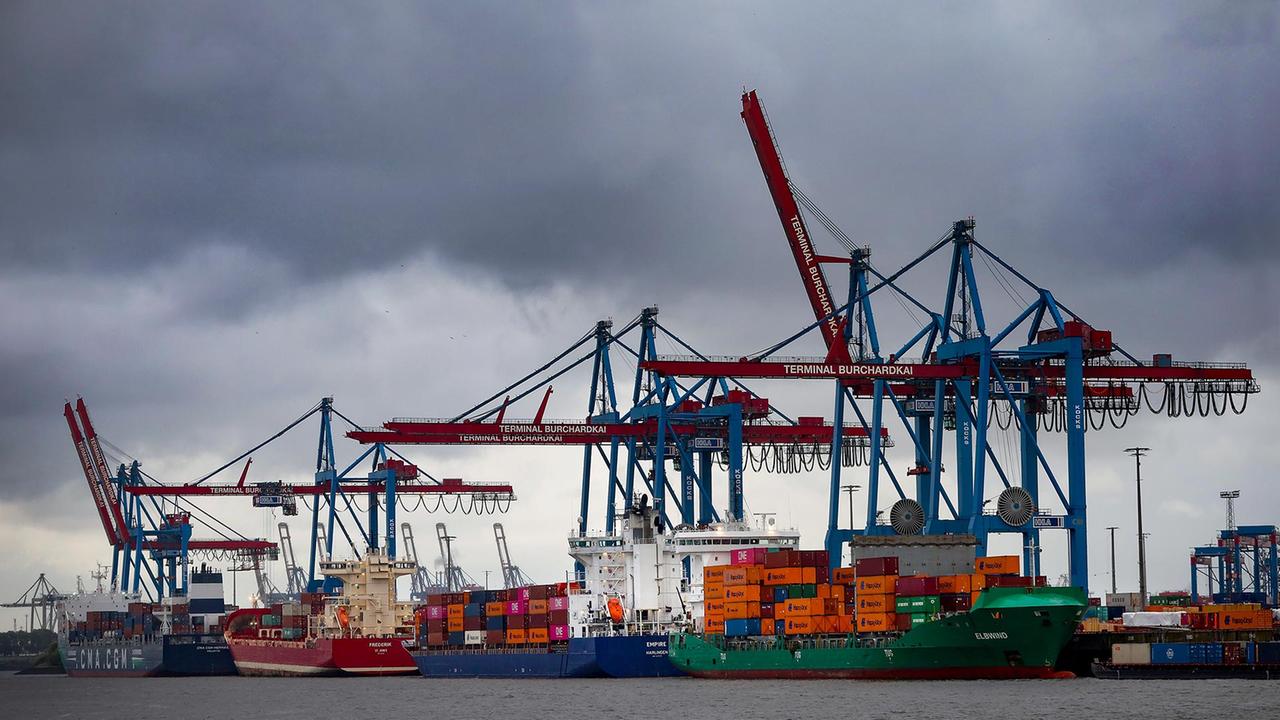
Germany is adopting a tougher stance towards China, driven by increasing concerns over the loss of domestic industrial jobs, which are being attributed to Chinese competition. The federal government is implementing a new strategy aimed at safeguarding its own industries.
However, this shift in policy is not without its own set of risks. The government's efforts to protect German businesses from what it perceives as unfair competition from China could potentially lead to unintended consequences or create new challenges.
Germany's recalibration of its China policy reflects a broader global trend of industrial nations seeking to rebalance economic relationships in the face of perceived competitive disadvantages. The strategy aims to mitigate job losses by imposing stricter measures on trade and investment, a move that could foster domestic resilience but also risks triggering retaliatory actions or disrupting established supply chains. This approach highlights the inherent tension between national economic security objectives and the benefits of global economic integration, particularly as technological competition intensifies in the coming decade. The effectiveness of this strategy will likely depend on its ability to navigate complex geopolitical dynamics and foster innovation within Germany without isolating it from key international markets.
AI-generated to prompt reflection — not editorial opinion, not advice, not a statement of fact. How this works.