Germany's New Heating Law: What Changes with the Building Modernization Act
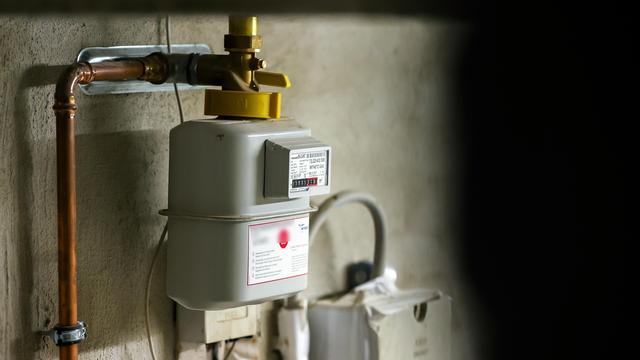
Germany's new Building Modernization Act introduces significant changes to heating systems, aiming to improve the country's climate balance. Despite initial concerns, oil and gas heating systems are set to experience a resurgence under the new regulations. The law also incorporates a "bio-staircase" approach, designed to enhance the environmental performance of heating solutions. However, the precise financial implications and costs associated with these new rules remain uncertain. The legislation seeks to balance climate goals with practical implementation, but the exact economic impact on households and businesses is yet to be fully determined.
The German Building Modernization Act reflects a complex policy challenge: balancing urgent climate objectives with the economic realities and technological readiness of existing infrastructure. The inclusion of oil and gas heating, alongside bio-based solutions, suggests a pragmatic, albeit potentially contradictory, approach to decarbonization. This strategy may stem from a need to manage energy security and affordability concerns in the short to medium term, while still pursuing long-term emissions reductions. The uncertainty surrounding costs highlights the inherent difficulties in transitioning established energy systems, prompting questions about the equitable distribution of financial burdens and the efficacy of incentives for adopting greener technologies over the next decade.
AI-generated to prompt reflection — not editorial opinion, not advice, not a statement of fact. How this works.