Germany's "Rich" Energy Reforms: What's Inside
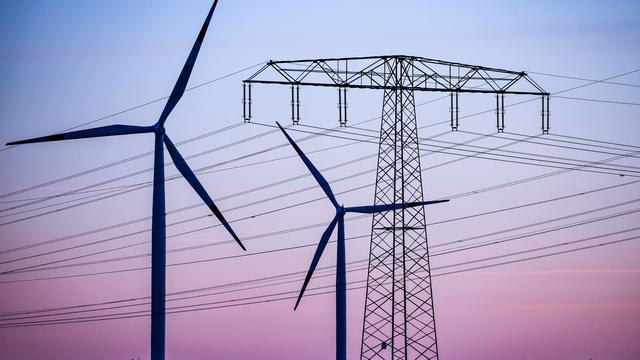
The German government is implementing significant energy reforms, aiming to reshape the nation's energy landscape. These reforms, dubbed "rich" by some, are designed to address current energy challenges and pave the way for a more sustainable future. The specifics of these reforms are multifaceted, touching upon various aspects of energy production, distribution, and consumption.
Key components of the reform package are expected to include measures to accelerate the expansion of renewable energy sources, such as wind and solar power. Additionally, there are plans to modernize the existing energy infrastructure to ensure a stable and reliable supply. The government also intends to introduce incentives for energy efficiency and conservation among households and industries. The precise details and timelines for these initiatives are currently being finalized and will be subject to parliamentary approval.
Germany's proposed energy reforms signify a strategic pivot towards decarbonization, driven by both climate imperatives and energy security concerns. The "rich" descriptor may allude to the substantial financial investments required, potentially funded through a mix of public and private capital. The success of these reforms will hinge on effective implementation, balancing the rapid deployment of renewables with grid stability and affordability for consumers. Future challenges may include managing the intermittency of renewable sources, ensuring equitable distribution of costs and benefits, and navigating potential geopolitical shifts in energy markets. The reforms represent a critical step in Germany's long-term energy transition, with implications for its industrial competitiveness and environmental commitments over the next decade.
AI-generated to prompt reflection — not editorial opinion, not advice, not a statement of fact. How this works.