Germany's Robert Koch Institute Reports Nearly 10,000 Heat-Related Deaths This Year
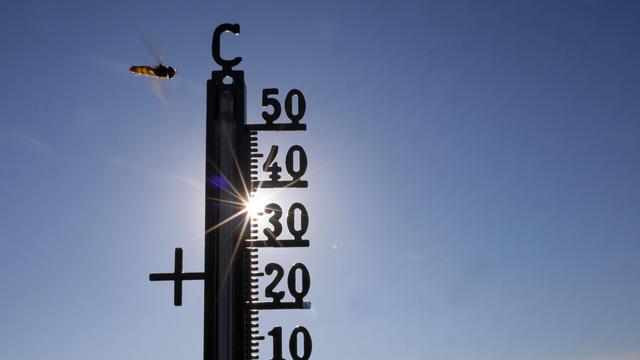
The Robert Koch Institute (RKI) in Germany has reported a staggering number of heat-related fatalities for the current year, estimating nearly 10,000 deaths. This figure highlights the significant public health impact of extreme heat events experienced across the country. The RKI's data serves as a crucial indicator of the vulnerability of the population to rising temperatures. These deaths underscore the growing challenges posed by climate change and its direct consequences on human health. The institute's findings are expected to inform public health strategies and potentially influence policy decisions aimed at mitigating the effects of heatwaves. Further analysis will likely be needed to understand the demographic and geographic distribution of these fatalities. The RKI's ongoing monitoring is vital for tracking trends and developing effective preventative measures.
The RKI's reported figure of nearly 10,000 heat-related deaths in Germany this year underscores the critical public health challenge posed by extreme weather events, exacerbated by climate change. This data compels a re-evaluation of public health infrastructure and urban planning to better withstand and mitigate the impacts of rising global temperatures. Future strategies must consider the systemic vulnerabilities that lead to such high mortality rates, focusing on resilient design and equitable access to cooling measures. The long-term implications necessitate proactive adaptation, integrating climate resilience into national health and safety protocols to safeguard populations in the face of escalating environmental stressors.
AI-generated to prompt reflection — not editorial opinion, not advice, not a statement of fact. How this works.