Germany's Young Engineers Face Rising Unemployment Amidst Industry Challenges
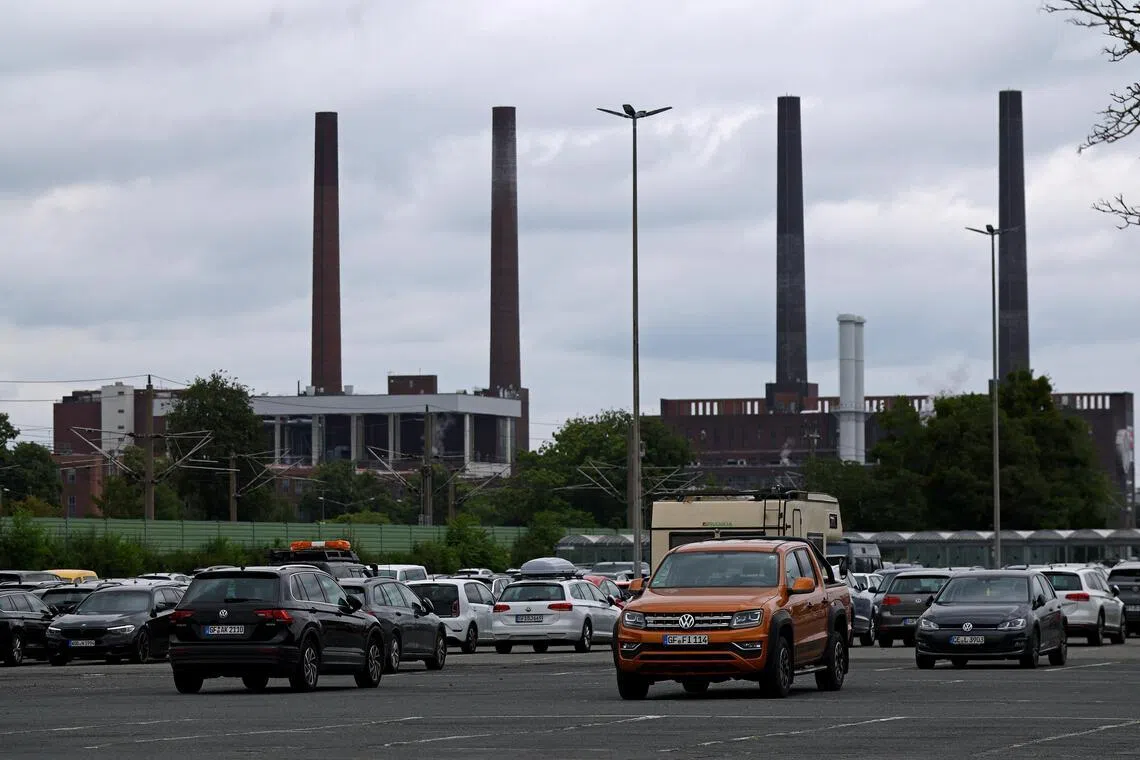
Young engineers in Germany are experiencing a significant increase in unemployment, a trend that has become notably worse in recent years. In 2025, the unemployment rate for qualified engineers stood at 3.8 percent. This figure represents a substantial jump of nearly 50 percent when compared to the unemployment rate recorded in 2022. The data suggests a growing difficulty for newly qualified professionals to secure positions within the engineering sector. This situation indicates a potential mismatch between the supply of skilled engineers and the available job opportunities, or possibly a downturn in sectors that heavily rely on engineering talent. The escalating unemployment rate among this demographic warrants attention as it could impact Germany's technological advancement and economic competitiveness.
The rising unemployment rate among qualified young engineers in Germany, increasing by nearly 50% between 2022 and 2025, signals a potential structural issue within the country's engineering labor market. This trend may reflect broader economic shifts, such as evolving industry demands, automation impacting traditional roles, or a slowdown in key sectors like automotive manufacturing. From a long-term perspective, a persistent decline in engineering employment could hinder Germany's capacity for innovation and its global competitiveness in technology-driven industries. Addressing this requires a strategic review of educational curricula to align with future industry needs, alongside proactive measures to foster new employment avenues and support the transition of engineers into emerging fields.
AI-generated to prompt reflection — not editorial opinion, not advice, not a statement of fact. How this works.